
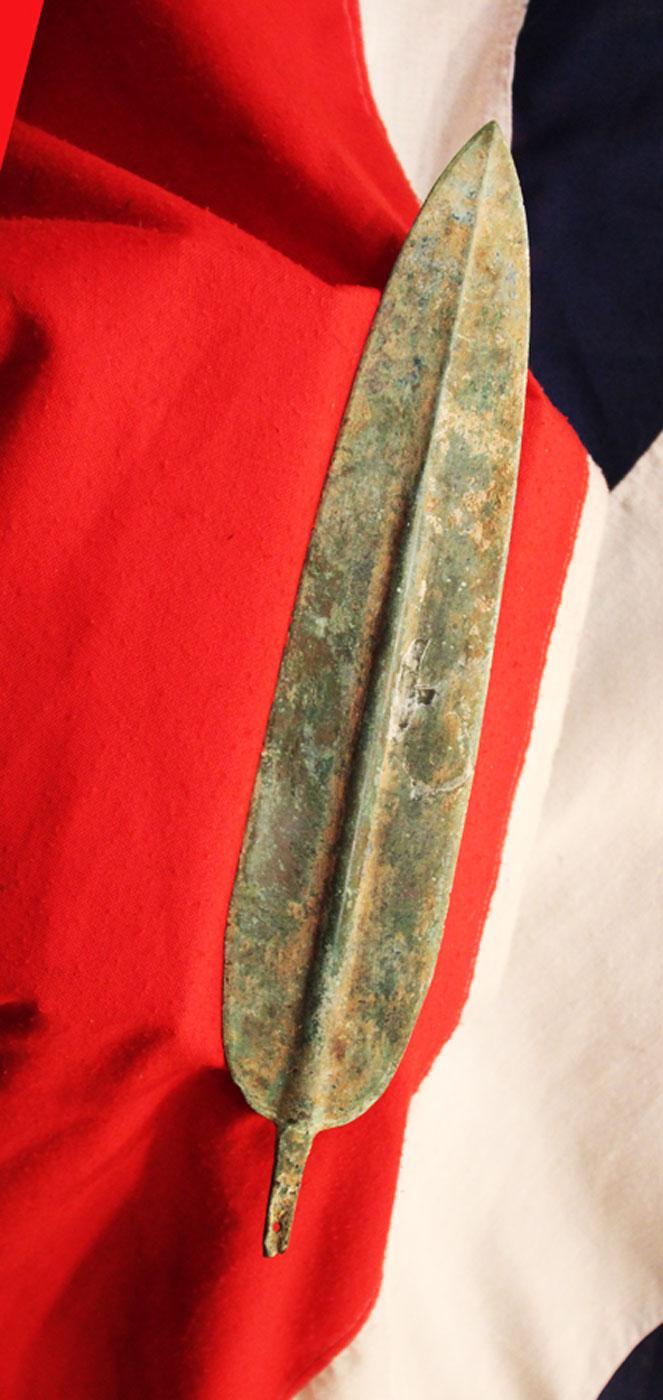
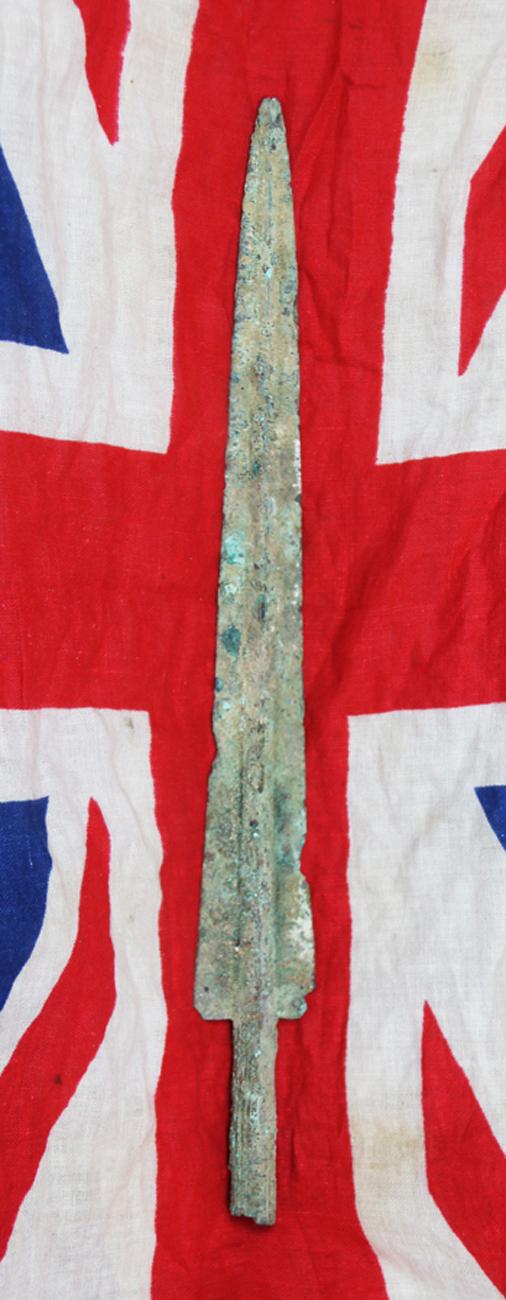
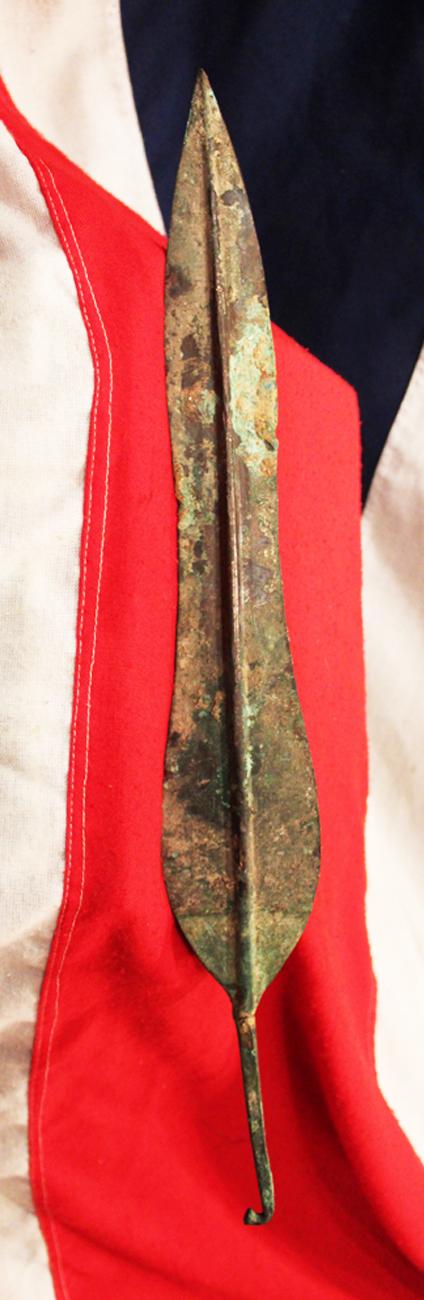
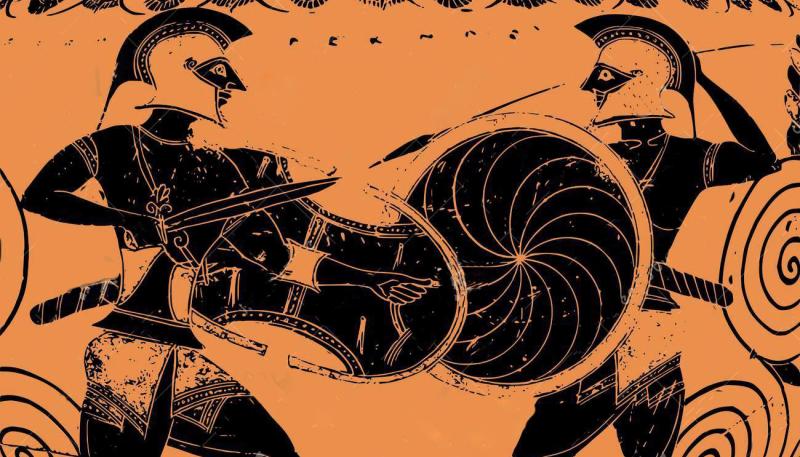
A Very Special Collection of Original Homer's Odyssean Period Weapons of Antiquity From the Siege Of Troy Era and Odysseus's Odyssey A 3200 Year Old Spear and Three Swords & A Gladius Hispaniensis From The Time Of Alexander and Early Rome
A special collection to celebrate the latest incredible film, Christopher Nolan's, The Odyssey. Starring Matt Damon, Anne Hathaway, Charlize Theron, Samantha Morton and Zendaya. It is always incredibly important that early history, of the earliest eras of Greek history, as related in Homer's great poetry, be once more brought to the world's consciousness, and what better way than a billion dollar film.
The poems described the era when the earliest Greek civilization's were destroyed, and to not reappear for hundreds of years, until the period of the Greek City states, ancient Greek writing, and the alphabet that appeared in the 800's B.C., All this following the Greek 'Dark Ages', that was sparked by the collapse of the Mycenaean civilization, and thus the consequences, according to Homer, of the fall of Troy.
It may be a somewhat fair approximation of The Odyssey, but all things considered, it was a superb film
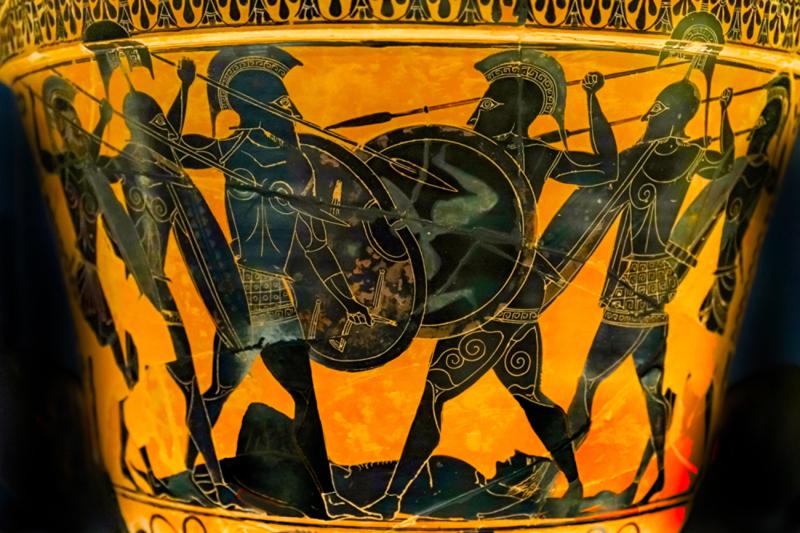
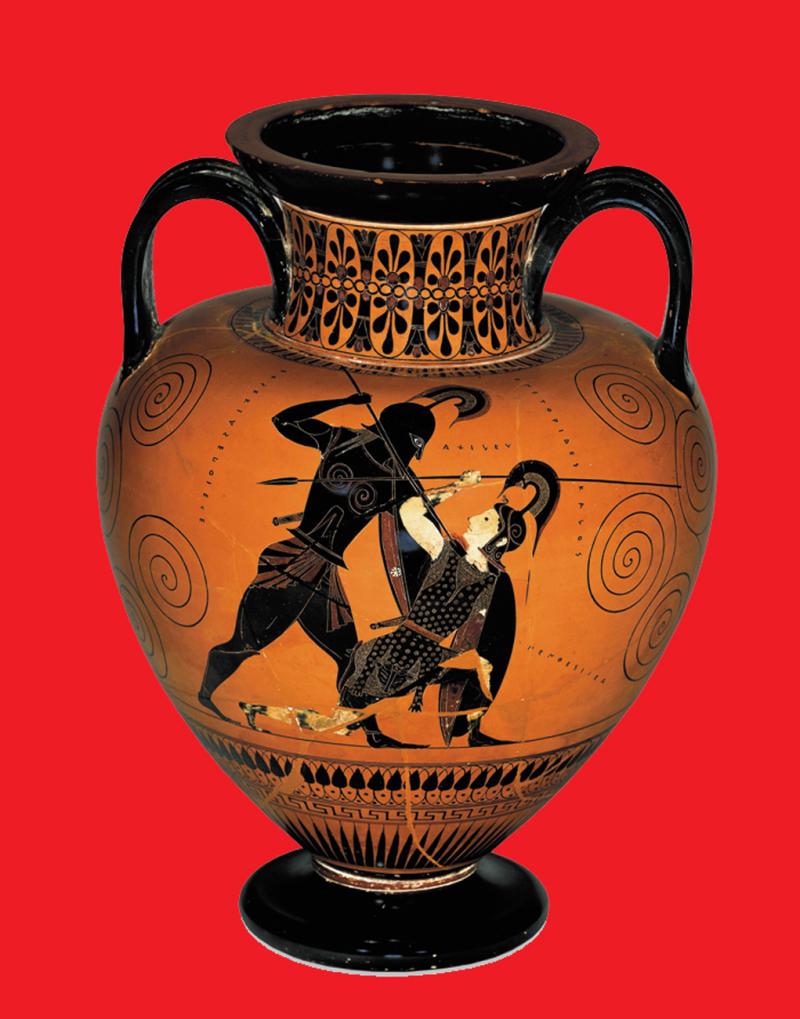
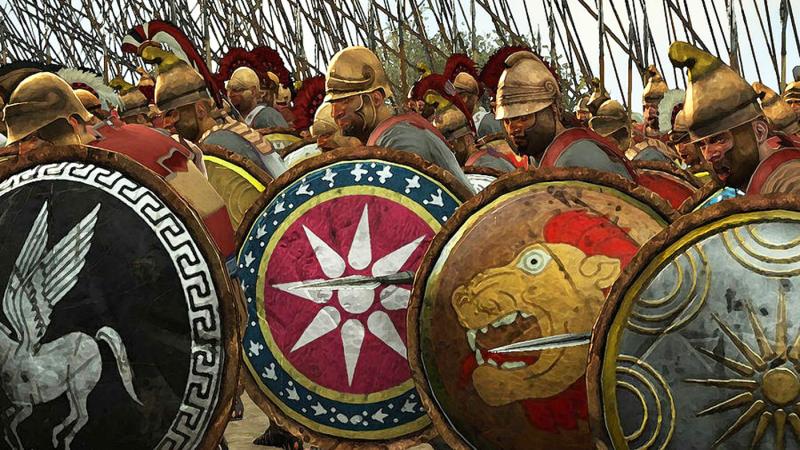
The primary weapon of the Homeric period (depicted in the Iliad and the Odyssey) was the heavy throwing and thrusting spear, complemented by swords, daggers, and occasional ranged or specialized impact weapons.
Homeric combat blends late Bronze Age (Mycenaean) memories with the early Iron Age of Homer's own era, featuring a mix of bronze and iron equipment.
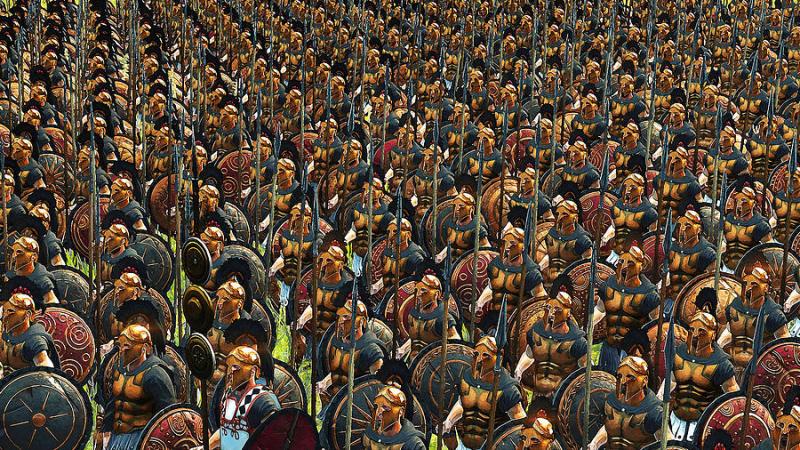
The spear or lance was the quintessential hero's weapon. Warriors typically carried two large spears, which were used both for long-range throwing and close-quarters thrusting.
The sword (xiphos / phasganon) was a secondary sidearm used when a spear broke or during close-quarters melee was the sword. These were relatively short, double-edged blades cast from bronze .The dagger (echeos / phasganon): was kept tucked next to the sword scabbard as a last-resort backup weapon for desperate hand-to-hand struggles.
The Odyssey is an epic poem in 24 books traditionally attributed to the ancient Greek poet Homer. The poem is the story of Odysseus, king of Ithaca, who wanders for 10 years (although the action of the poem covers only the final six weeks) trying to get home after the Trojan War. On his return, he is recognized only by his faithful dog and a nurse. With the help of his son, Telemachus, Odysseus destroys the insistent suitors of his faithful wife, Penelope, and several of her maids who had fraternized with the suitors and reestablishes himself in his kingdom.
Epics such as the Iliad and the Odyssey emerged from an oral tradition in which poets, or bards, performed epic narratives before audiences, with fixed written texts appearing much later. The written texts employed various literary devices such as formulaic epithets and repetition which helped performers memorize the poem and adapt during their recitation. For centuries, Homeric epics formed part of the educational foundation of the Greek world throughout the classical age and helped shape a broader Panhellenic cultural identity.
The Odyssey does not follow a linear chronology. The reader begins in the middle of the tale, learning about previous events only through Odysseus’s retelling. The first four books set the scene in Ithaca. Penelope, Odysseus’s wife, and their young son, Telemachus, are powerless before her arrogant suitors as they despair of Odysseus’s return from the siege of Troy. Telemachus is searching for news of his father, who has not been heard from since he left for war nearly 20 years earlier. He journeys secretly to the Peloponnese and seeks out two men who fought with Odysseus in the war at Troy, Nestor and Menelaus, and discovers that his father is indeed still alive.
Code: 26309
Price
on
Request