
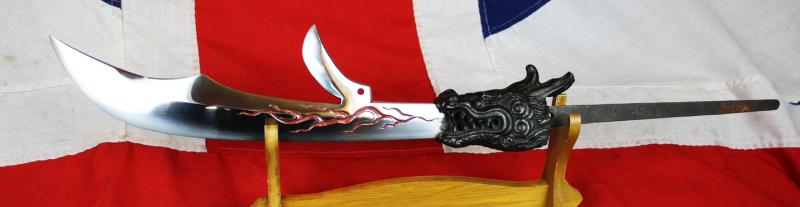
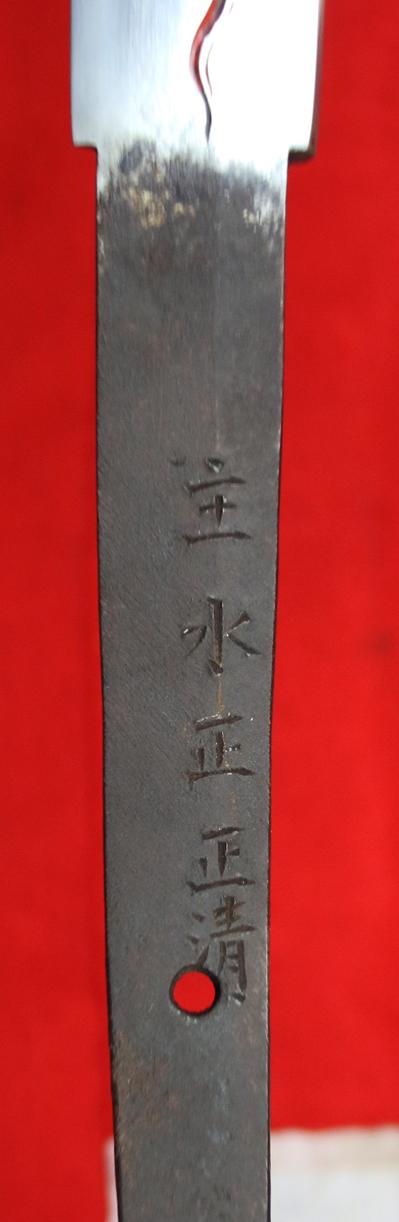
A Wonderful Original Antique Signed Samurai Glaive, C.1725, An Honorific Representation of Seiryūtō, the 'Green Dragon', of Kanshō. From The Collection of World's Greatest Authority and Author On Japanese Polearms, And Use In Combat. Signed Masakiyo
Part of the amazing collection, accumulated over 70 years, of edged weapons, helmets and armour that we acquired, from the late great collector and one of the most famous and first martial art practitioners and sensei in the UK, that shall be added soon for sale, once conserved in the workshop.
This wondrous museum piece has indeed just returned from its no expense spared conservation, and looks amazing.
His number one friend and dojo ‘sempai’ was also our great friend and work colleague of 40 years Christopher Fox.
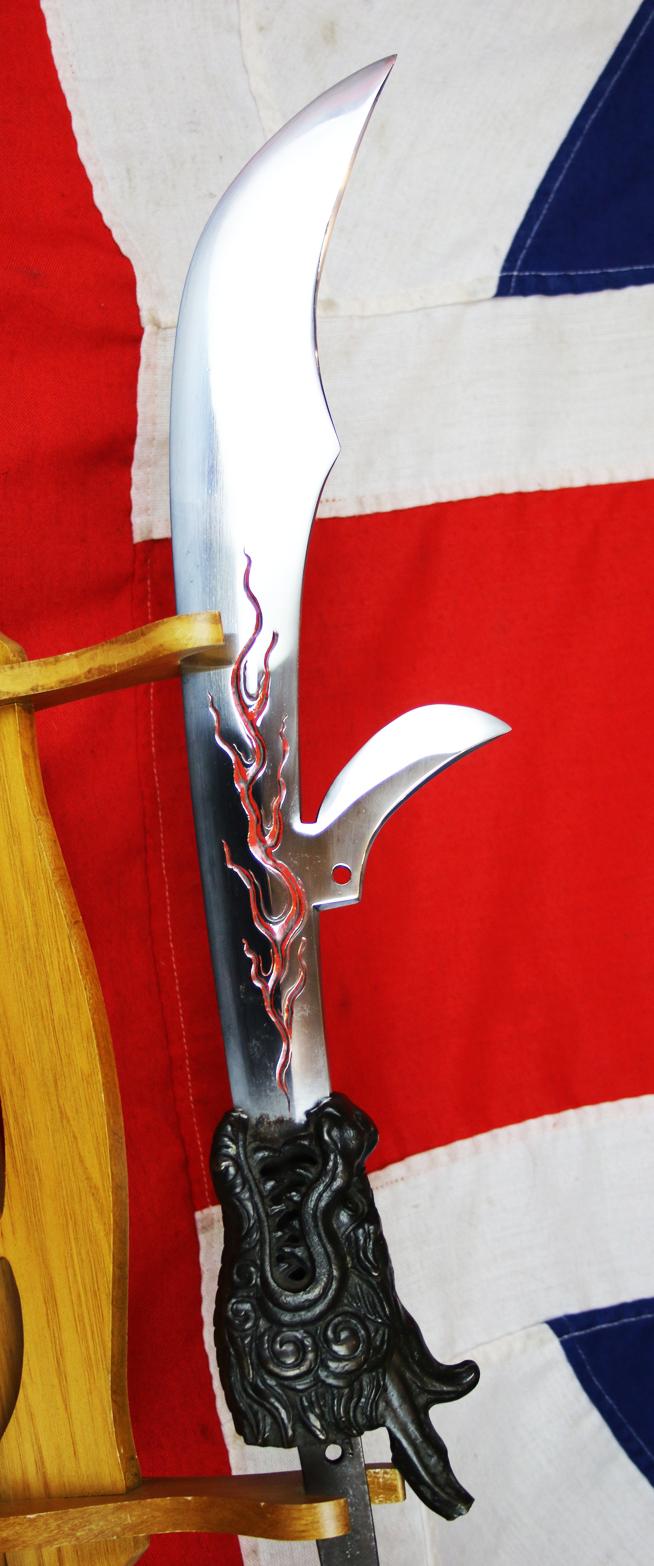
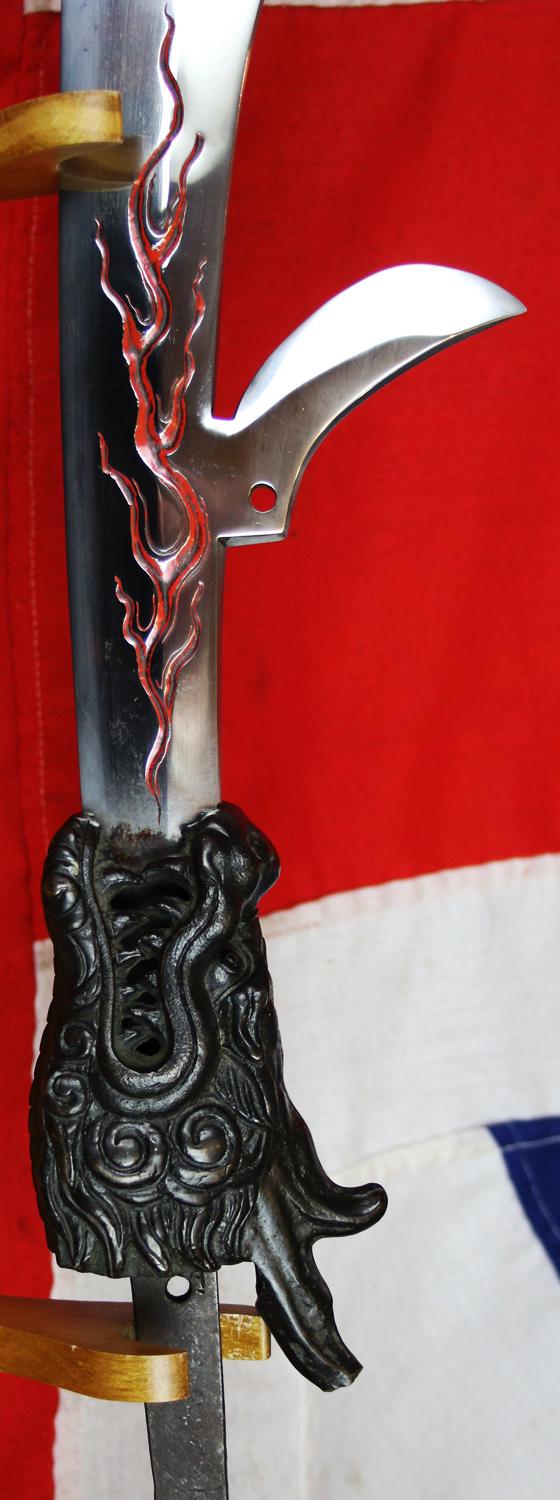
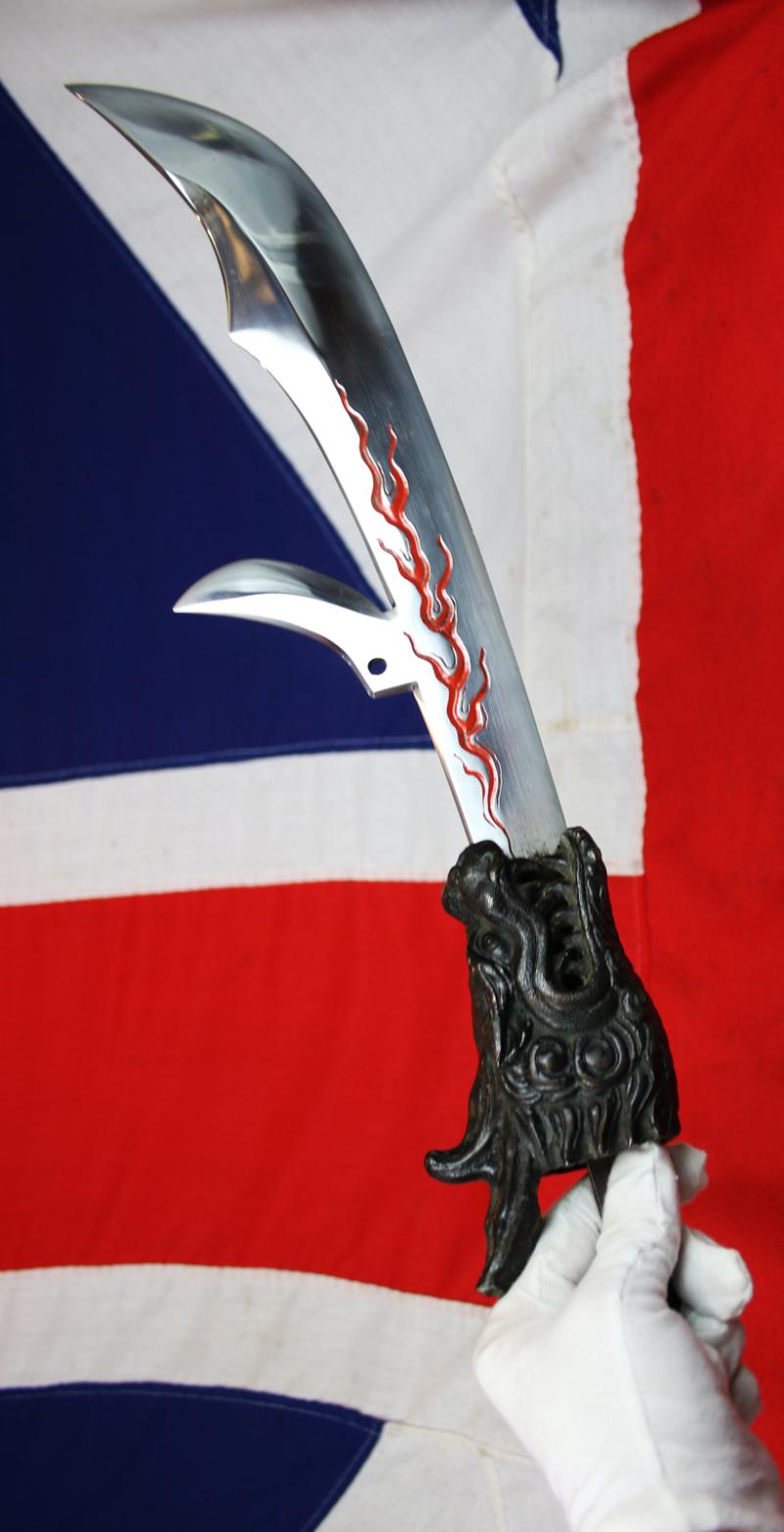
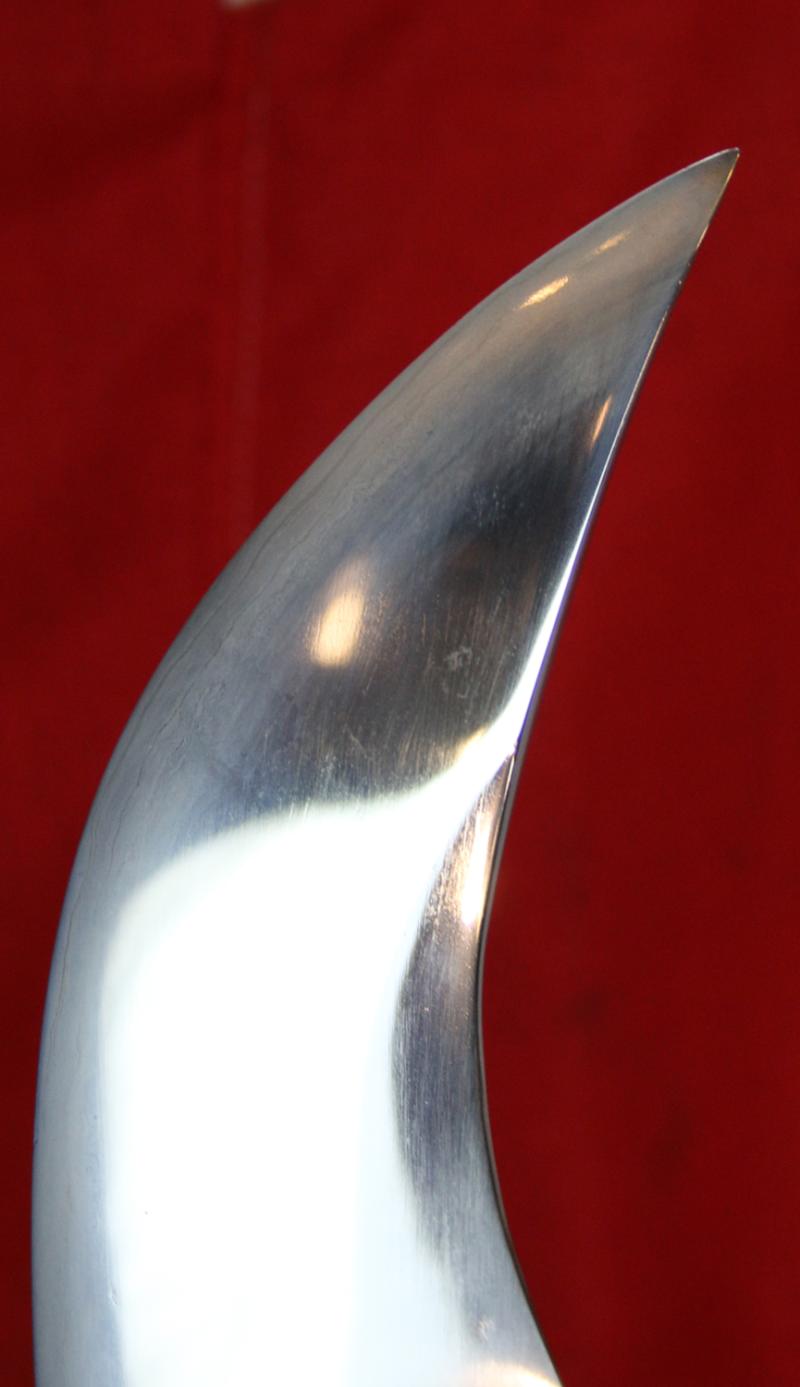
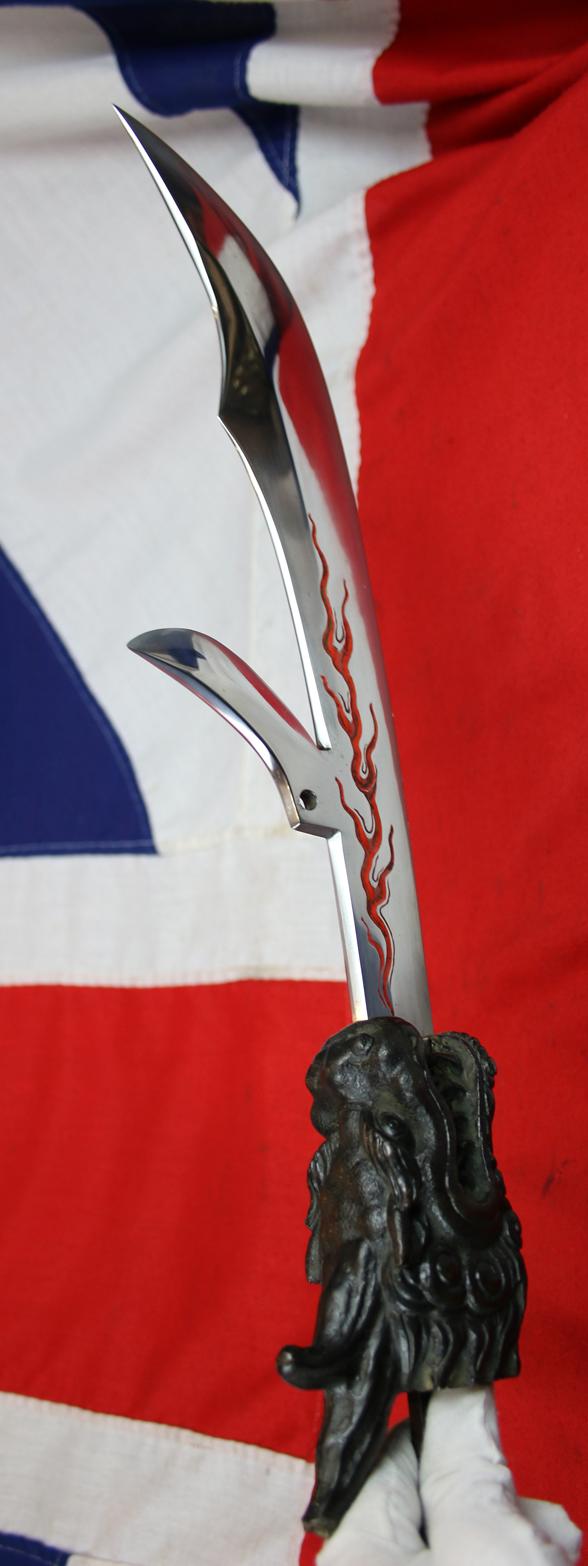
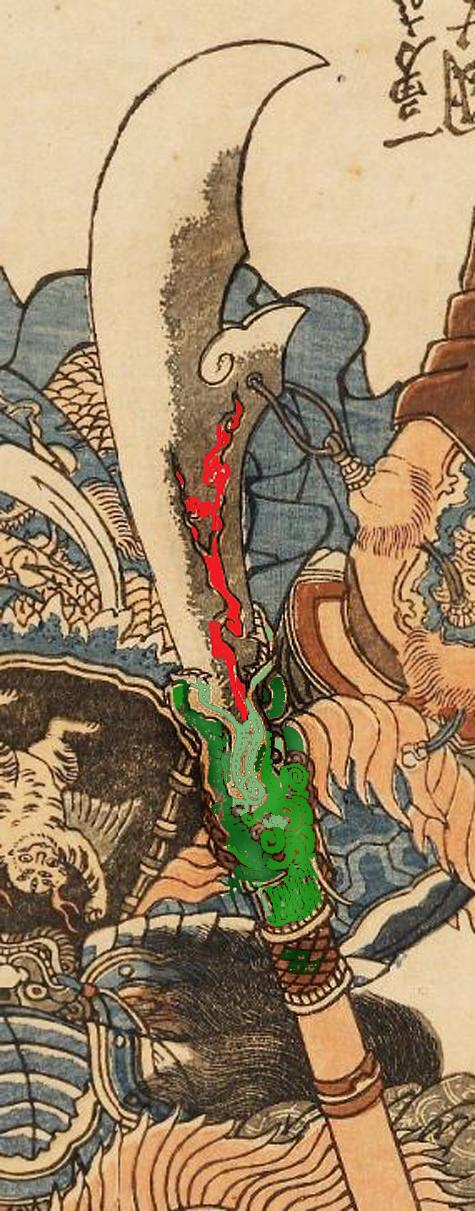
One of the most powerful Nagata polearm we have ever experienced, it has a weight and heft that is quite remarkable and it is extraordinarily elegant and beautiful. It is superbly bright and in exceptional condition, it bears a full and glowing carved horimono of dragon’s breath, that is decorated with dramatic red urushi lacquer, It has a notare based on suguha hamon
It has a typical long tang for mounting within a pole handle. But, as in all current museum exhibits of finest Japanese blades it is now meant for display without the haft en situ
The habaki is a stunning three dimensional bronze okimono, the head of the ‘green dragon’ of legend executed with enormous skill. It emphasises the entire representation superbly and creates an amazingly dramatic work of art. The best okimono have exquisite workmanship, graceful design, are often strikingly original in conception and usually naturalistic in detail.
This wonderful 300 year old naginata, bearing the signature Mondonosho Masakiyo, is not only an incredible and highly effective weapon of combat, but it was hand crafted by a most skilled swordsmith as a representation of Daitō Kanshō's great spear, called Seiryūtō, and it appears illustrated in the author's second seminal work on samurai polearms and their combat use, of 'Japanese Spears: Polearms and Their Use in Old Japan' published in 2004.
The original version is a very most fabulous polearm of legend, and represented in the book, written in the 14th century, Suikoden, and appears in chapter 62, used by Daito Kansho.
Daitō Kanshō was born in Hotō-gun, the grandson of Juteikō (Shouting hou), and was a descendant of the great general, Kan-u Unchō (Guanyu Yunchang), during the time of the Three Kingdoms; he is thought to have greatly resembled him. He was a municipal guard and always used a glaive called a 'seiryūtō', or ‘green dragon’ the origin of his nickname, Daitō (big spear). While he was young, he became well versed in martial arts and weaponry and his style of fighting was similar to that of Kan-u.
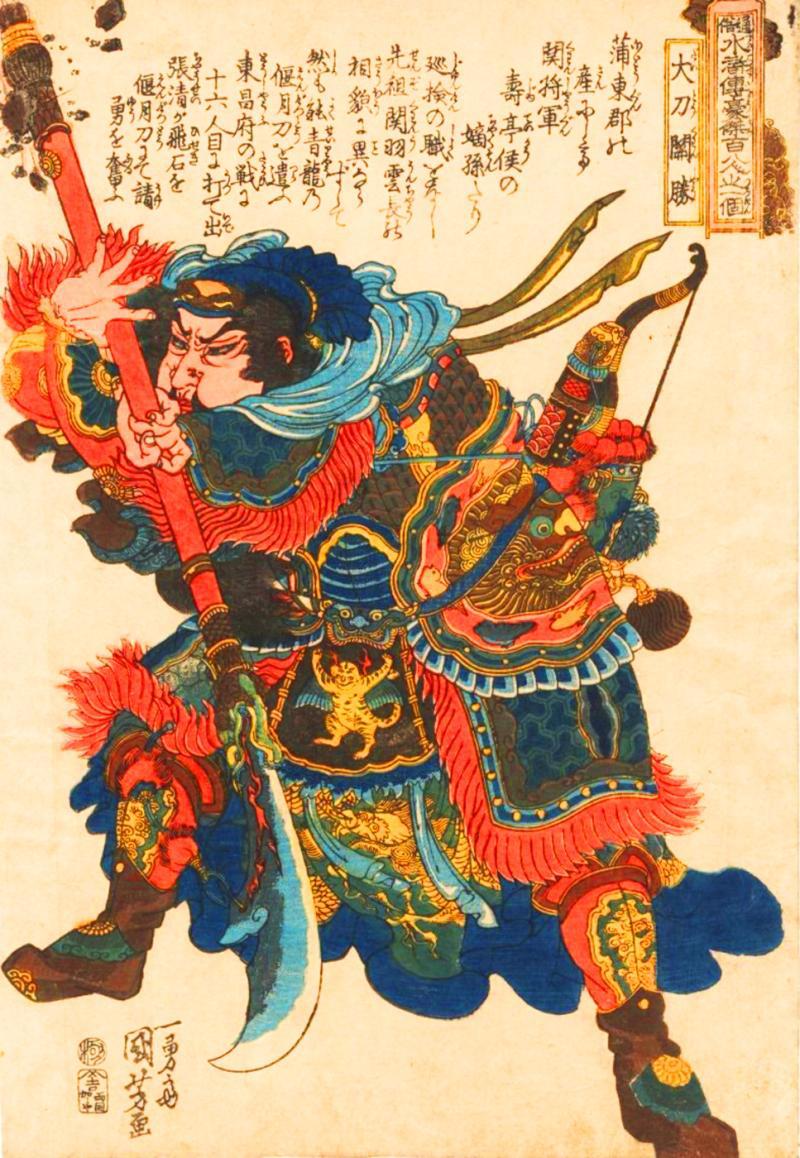
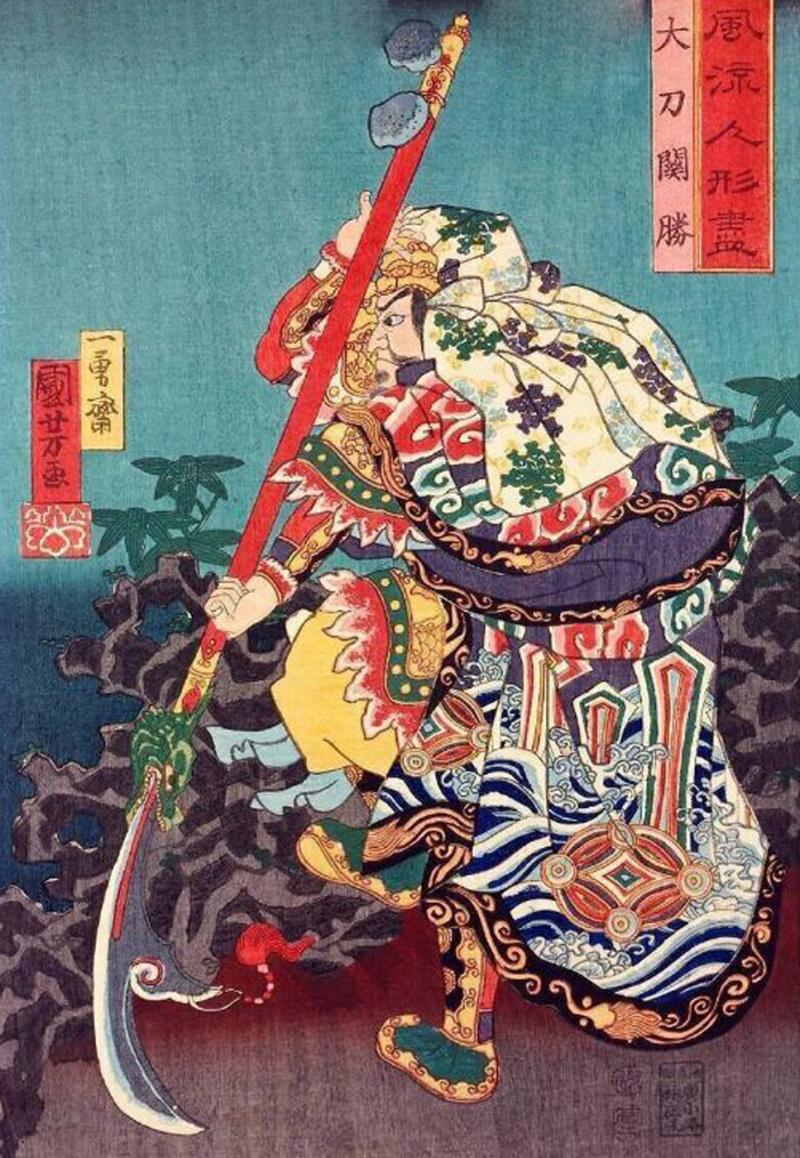
Famous prints, that we we show in the gallery, depicts the battle of Tōshōfu (Dongchang fu) where Kanshō is blocking the stones that are being thrown by Botsu-usen Chōsei (Zhang Qing), using the butt of his enormous glaive to parry them. He was considered particularly brave to fight against Chōsei who was famous for being able to hit his target with a stone ten times out of ten.
This print of Kanshō forms a diptych with a print of Chōsei in Kuniyoshi's Suikoden.
From Chinese based martial art stores one will be able to see online 101 different reproduction representations of Seiryūtō, but this, will be the only one you may ever see that is hundreds of years old,..... and real!
29.5 inches long inc tang, blade, including dragon habaki, 20 inches long. It weighs three pounds eight ounces, 1.65 kilos.
Code: 26220
15995.00 GBP