
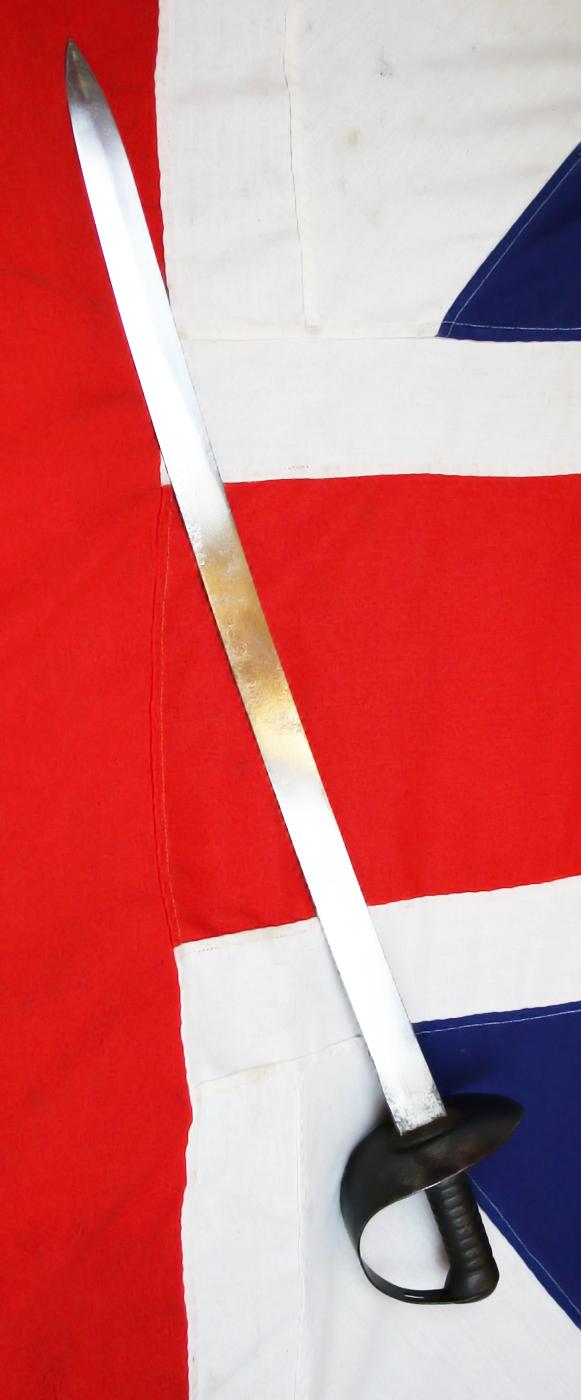
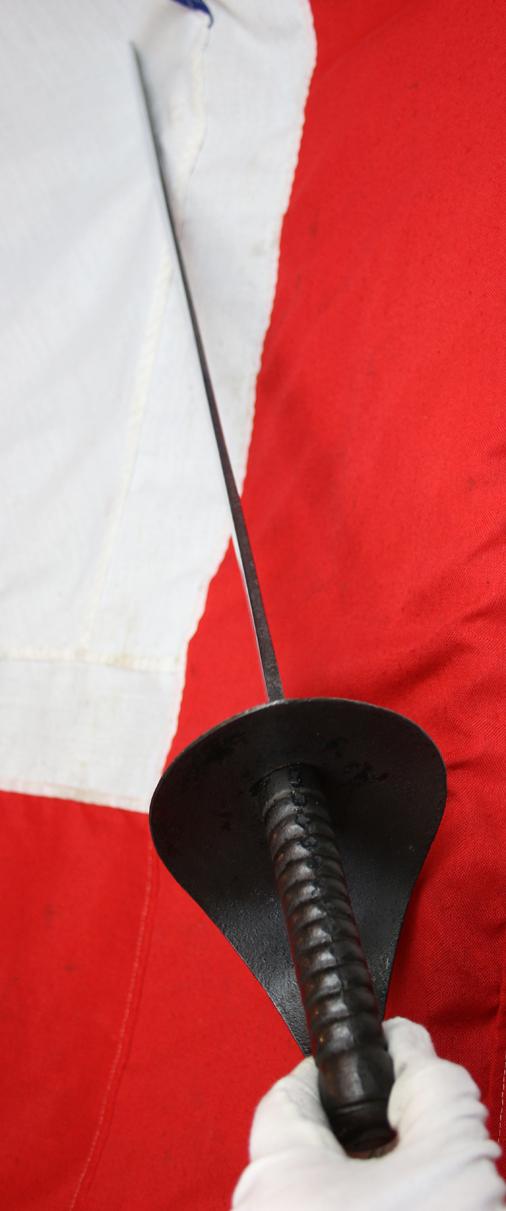
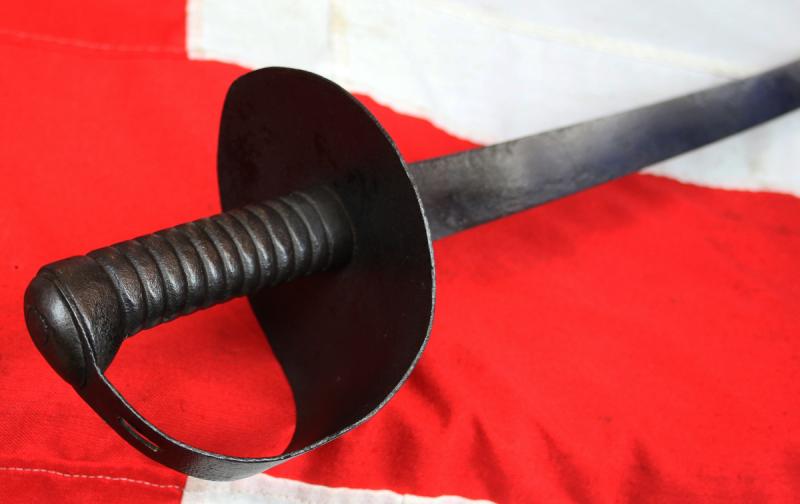
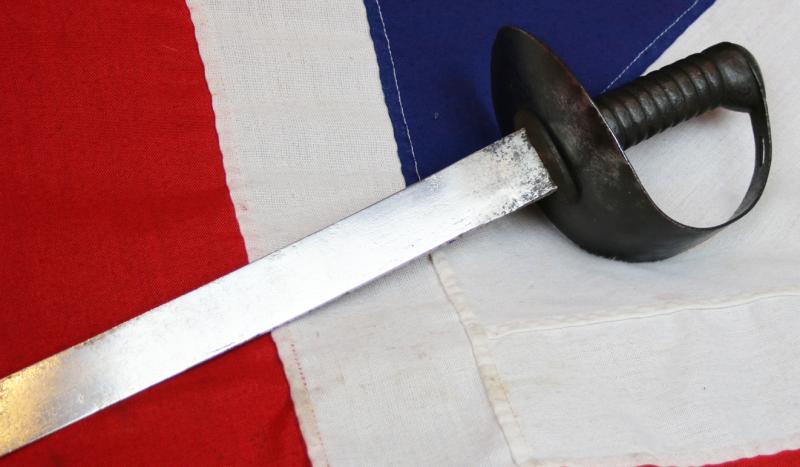
A Superb Early Victorian Sailing Ship and Early Steamship Man O'War Naval Cutlass of 1845. Used In The Crimean War, and The Opium War In China, By The Naval Ship's Boarding Party. One Of The Best Condition Examples We Have Seen In a Long While
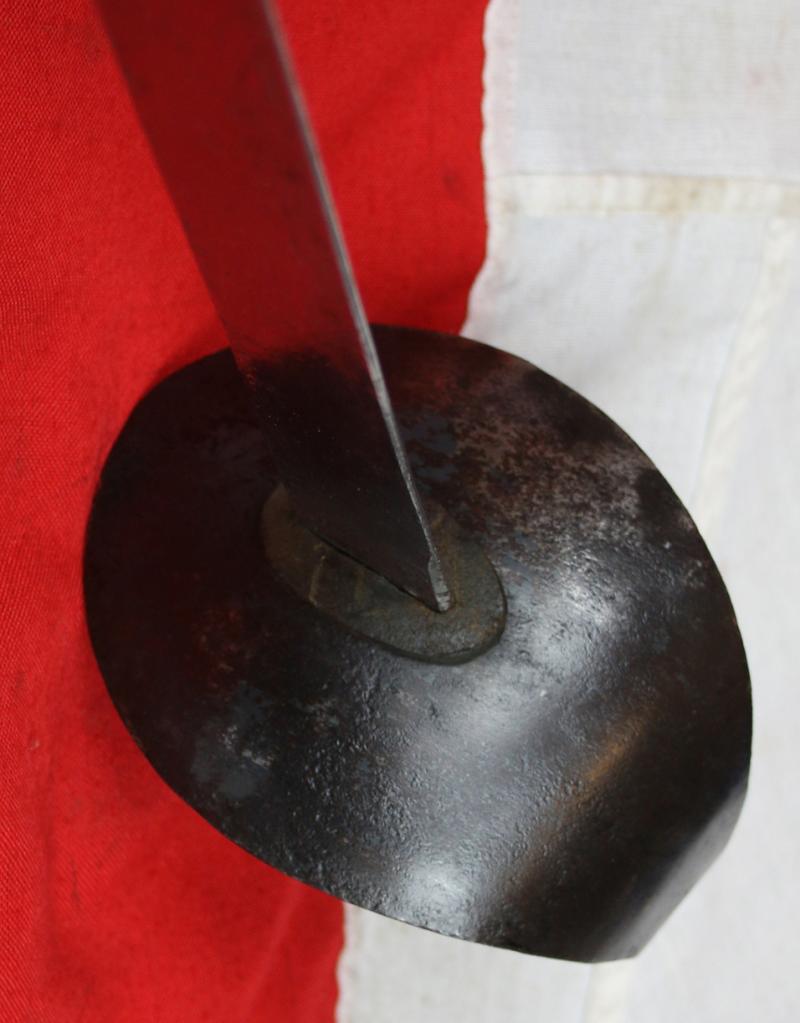
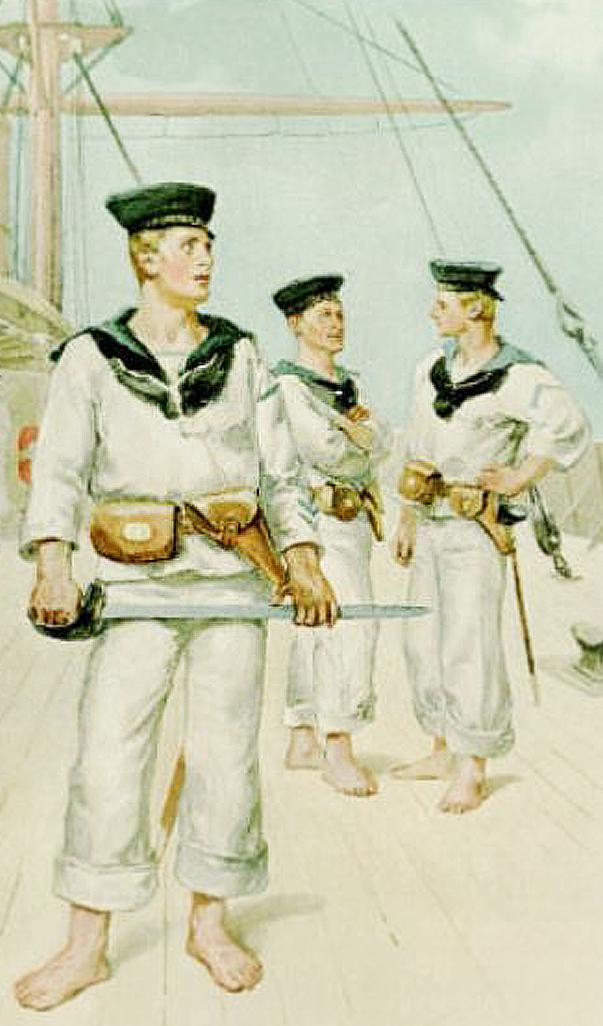
Naval cutlass with superb bright steel blade, and blackened sheet steel bowl guard with ribbed steel grip. The boarding cutlass was made and used without scabbards, and kept in numerous racks aboard the ship. The cutlass has clearly seen combat service, and thus signs of use, but many survivors today are in a sad state with rust issues {due to seawater}. This beauty has obviously been cared for since its retirement from its naval service aboard a man o'war.
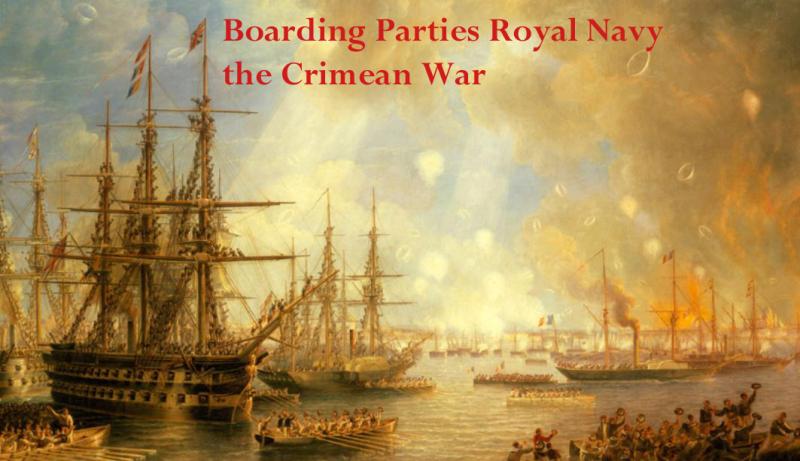
By the 1850s, Royal Navy boarding parties were becoming less common in conventional fleet actions, replaced by long-range gunnery, but they remained crucial for close quarter boarding parties, anti-piracy, suppressing the slave trade, and coastal operations for landing parties. During this period of transition from sail to steam, boarding techniques evolved to include both direct ship-to-ship boarding and the use of smaller boats for landing parties.
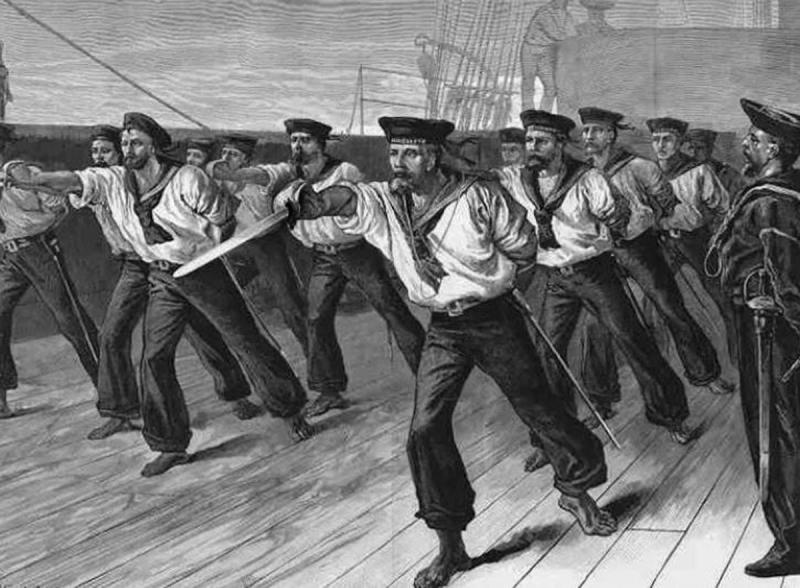
Boarding parties were highly organized, often split into four divisions, each commanded by a Lieutenant, with teams of roughly 13 men, including marines and sailors.
Each ship’s crew had designated "boarders" and "repellers" (to stop enemy boarding). These parties often included 2 midshipmen and men selected from specific gun crews.
Specialization included men assigned to fire duty, and others assigned to climb aloft to manage rigging, often under fire
Anti-Slavery Operations: In the 1850s and 1860s, Royal Navy ships, particularly in East African waters (e.g., around Zanzibar), used boarding parties to intercept slave dhows. These involved small boat attacks on often well-armed vessels.
In the 1850s, especially during the Crimean War (1854-1855), the navy shifted focus to landing "Naval Brigades"—sailors and Royal Marines landed to fight as artillery or infantry on land.
Boarding was done by bringing ships alongside, using grappling hooks to lock hulls together, often with marines firing from "fighting tops" (high up in the masts) onto the enemy deck
Boarding was extremely hazardous, as small boats had to approach massive vessels under fire.
Boarders had to scale the side of the enemy ship, which was often slick with water or blood, while under fire from the defenders
28.5 inch blade, overall length approximately 34 inches
Code: 26157
650.00 GBP