
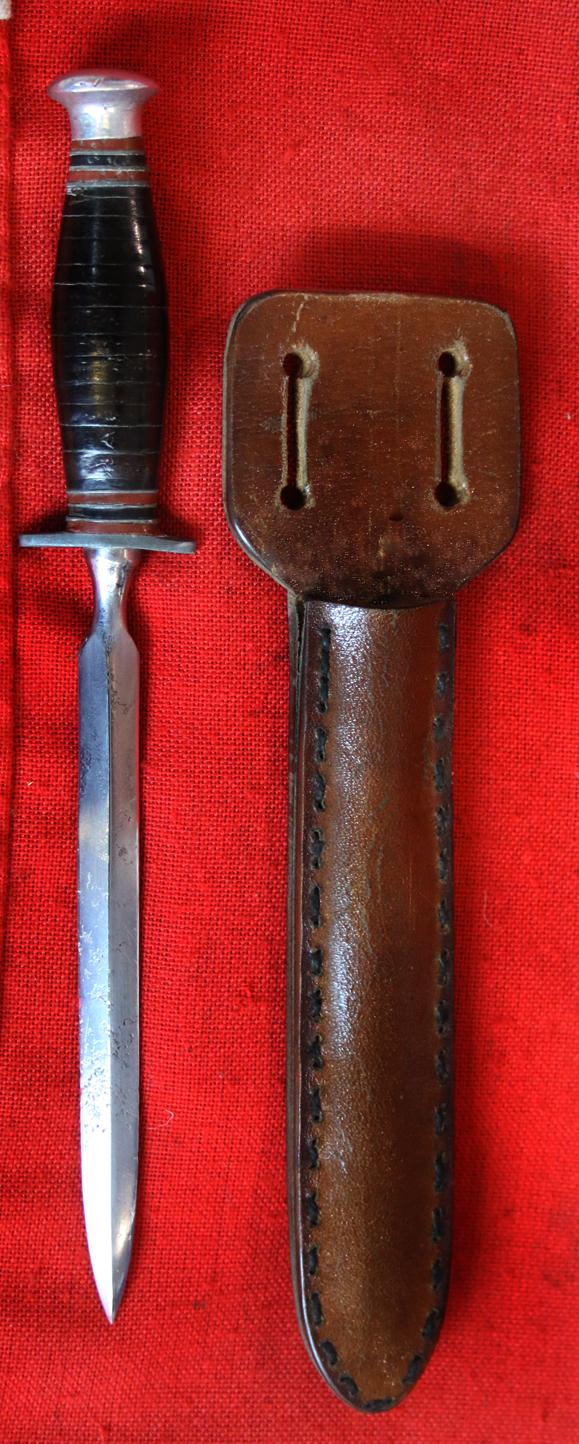
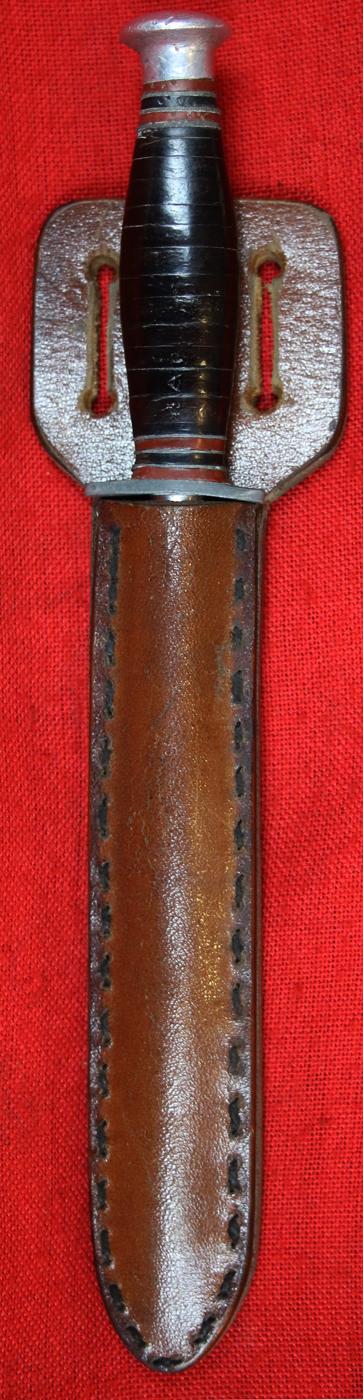
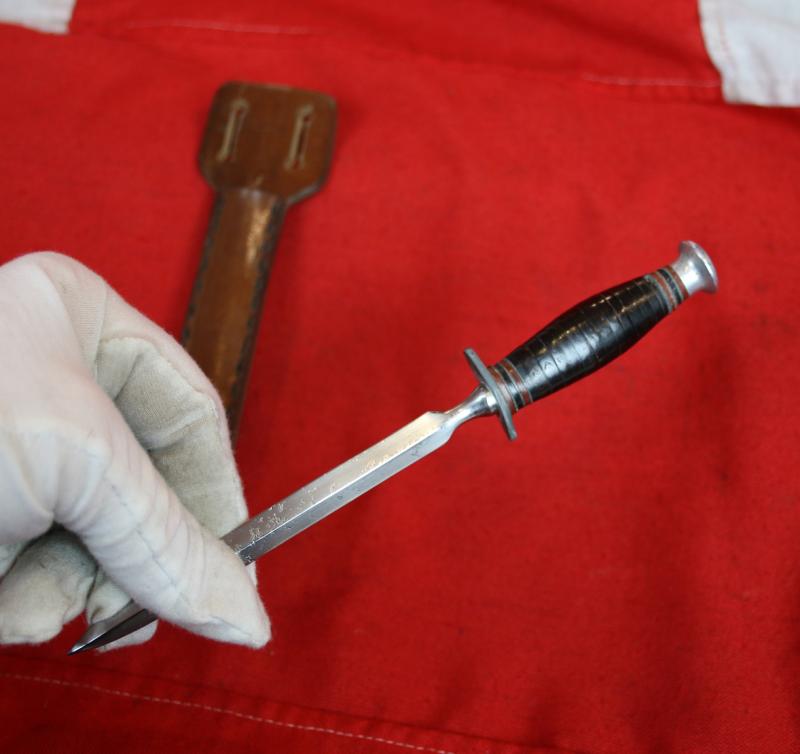
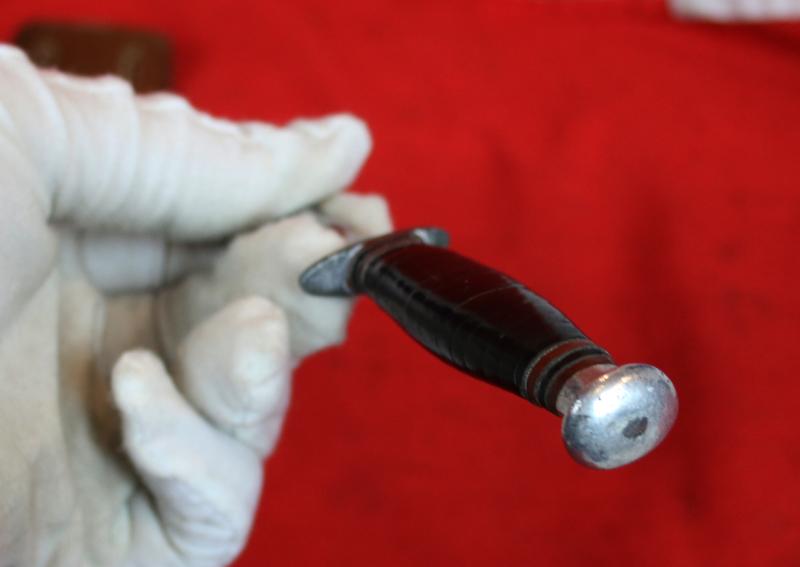
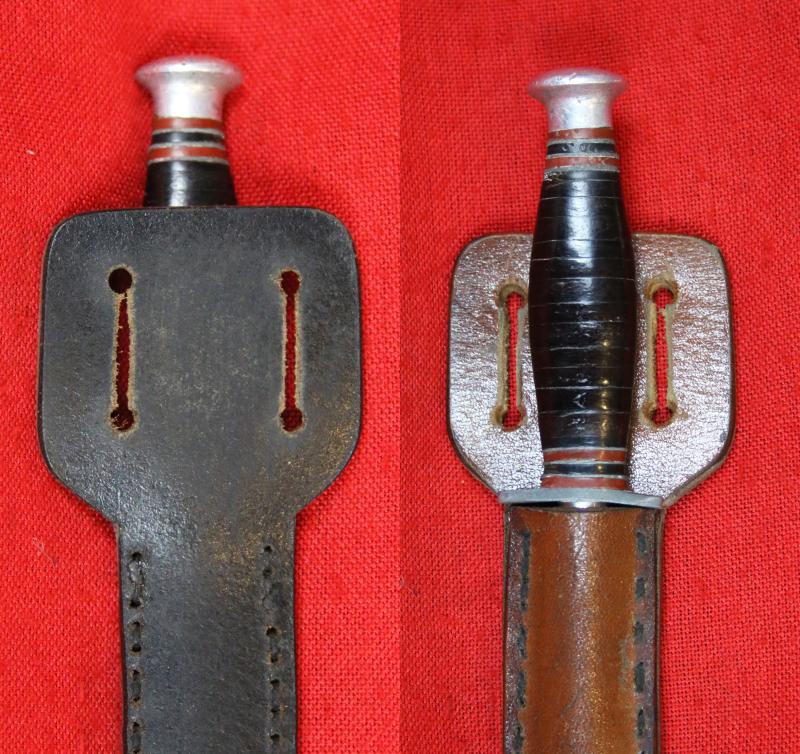
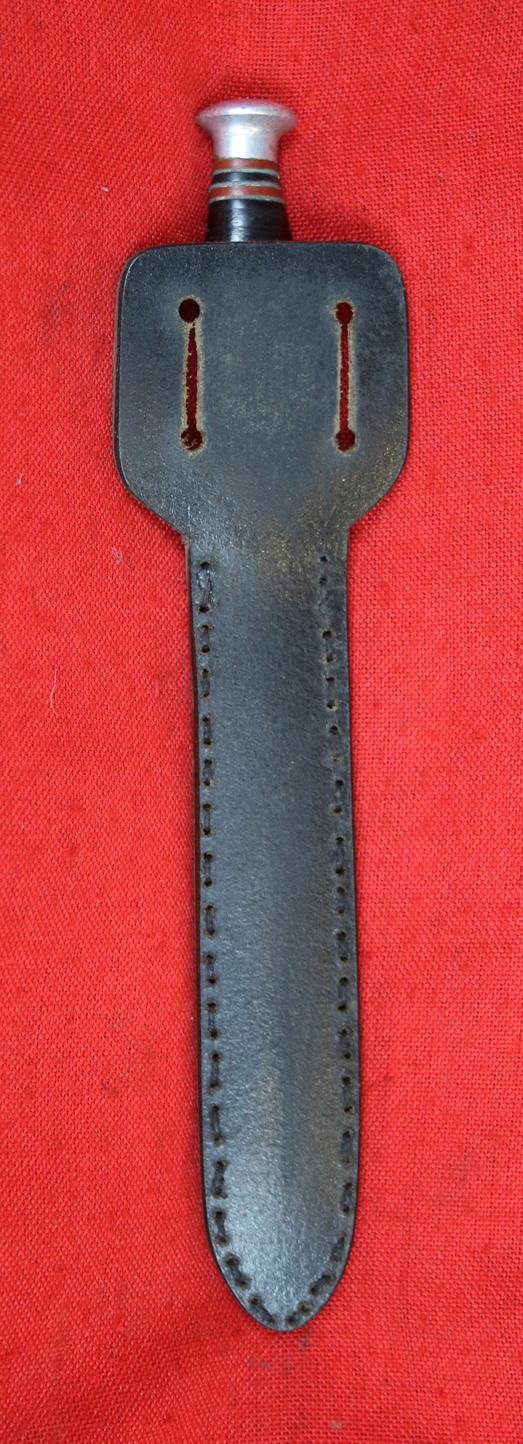
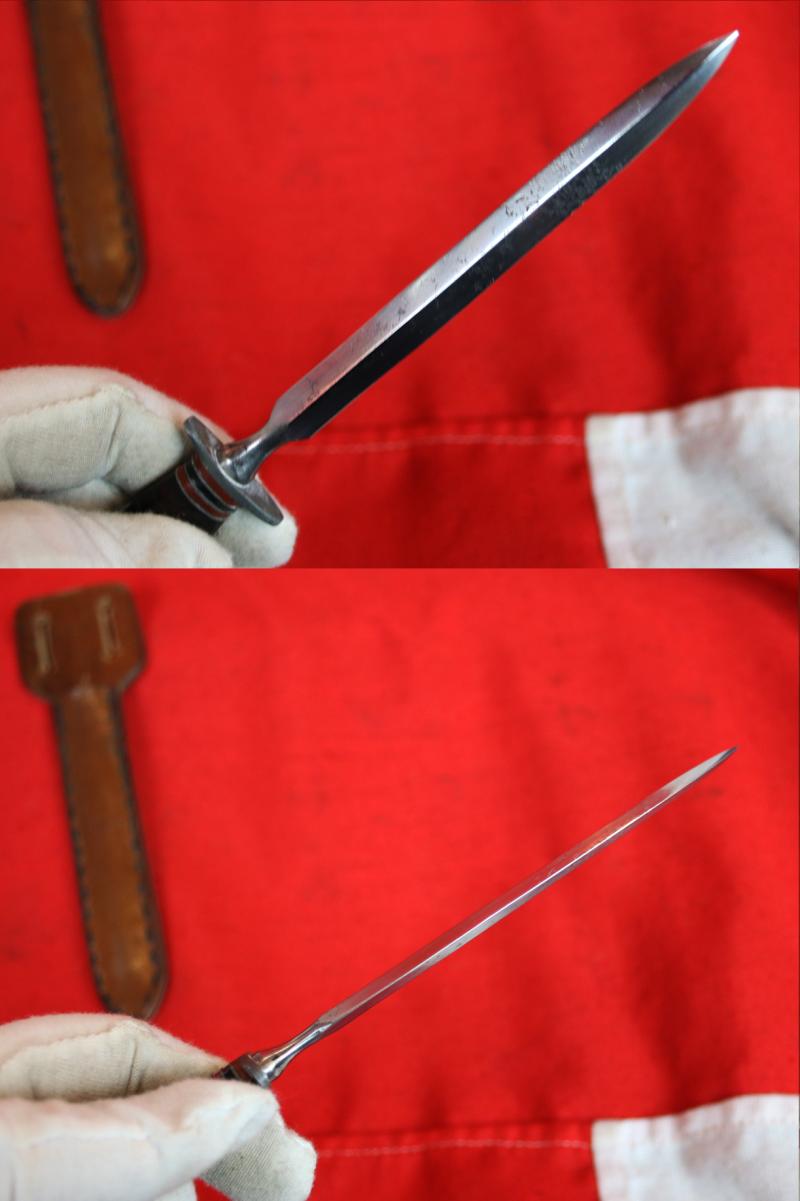
An Incredibly Rare And Historical WW2 British SOE Special Operation Executive Agents ‘Assassination’ Sleeve Stiletto Dagger. Used In The Special Forces Mission During The Italian Campaign and The Invasion of Sicily
Rare Special Operations Executive (S.O.E) Assassination Sleeve Dagger, alloy and leather sectioned hilt dagger, with double edged, diamond section, needle type blade.
Correctly un-marked. Complete with its brown leather scabbard with leather strap attachment piece to the top of the scabbard.
It was incredibly dangerous. If you were caught that was it, you would be executed. These stealth weapons are few and far between. Once they were used by the secret agents they were often disposed of.
It is more than likely the SOE agent that used this assassin's dagger was executed when he was caught, as this stiletto was found by a british soldier in the possession of a captured, AXIS, Prisoner of War.
The blade measures 123 mm blade, 195 overall mm, in scabbard overall 204mm.
These stiletto daggers were designed to be carried by S.O.E agents who were dropped behind enemy lines as they could be concealed in a sleeve and easily accessed for close hand to hand combat or to take out an enemy sentry quickly. As with most items issued to the SOE they were not marked with any makers stamps in-case of capture.
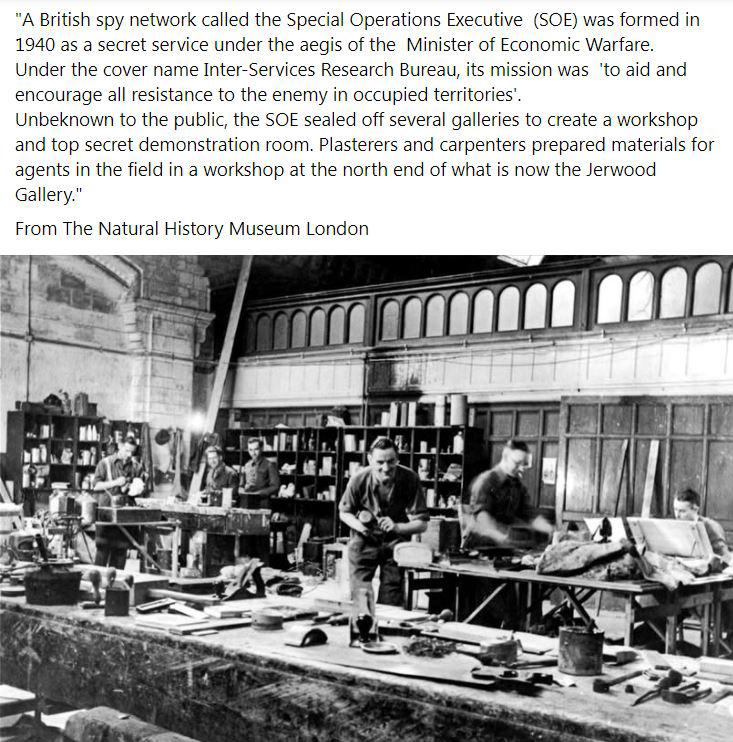
Key aspects of SOE Special Operations Executive} involvement and special forces operations in Sicily include:
Targeting Fascist Italy: Between 1940 and 1943, the SOE worked to encourage sabotage and resistance against Mussolini’s regime. By the time of the Sicily invasion, this research and clandestine groundwork aimed to undermine Italian morale and operations.
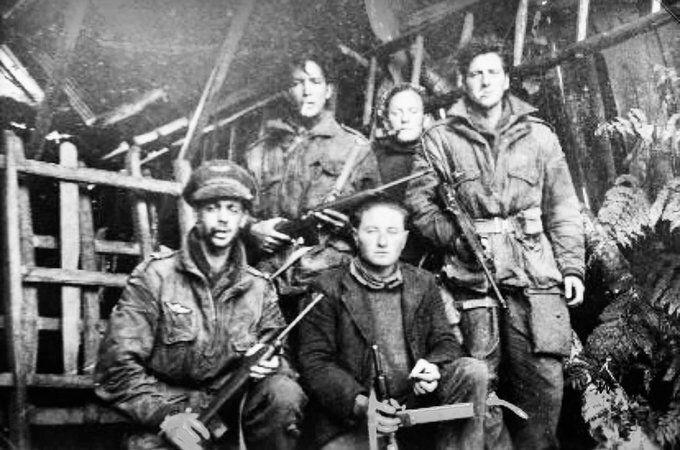
Special Raiding Squadron (SRS): The Special Raiding Squadron, commanded by Paddy Mayne and often linked to the SAS and SOE’s broader special forces mission, spearheaded aspects of the invasion. These hand-picked raiders were tasked with lightning raids and close-quarter combat.
The SRS and special forces conducted raids to disrupt German and Italian defensive lines during the 1943 campaign, which lasted from 9 July to 17 August.
SOE's role was part of a larger, broader strategy to cripple Italian resistance and support the massive Allied conventional forces (160,000+ men) that landed in Sicily. While Operation Mincemeat was a separate intelligence operation, it was crucial in tricking the Axis into strengthening Greece instead of Sicily, easing the landing of Allied special forces and regular troops.
The SOE’s efforts in Italy were considered high-risk, as agents operated in a hostile enemy country rather than occupied territory.
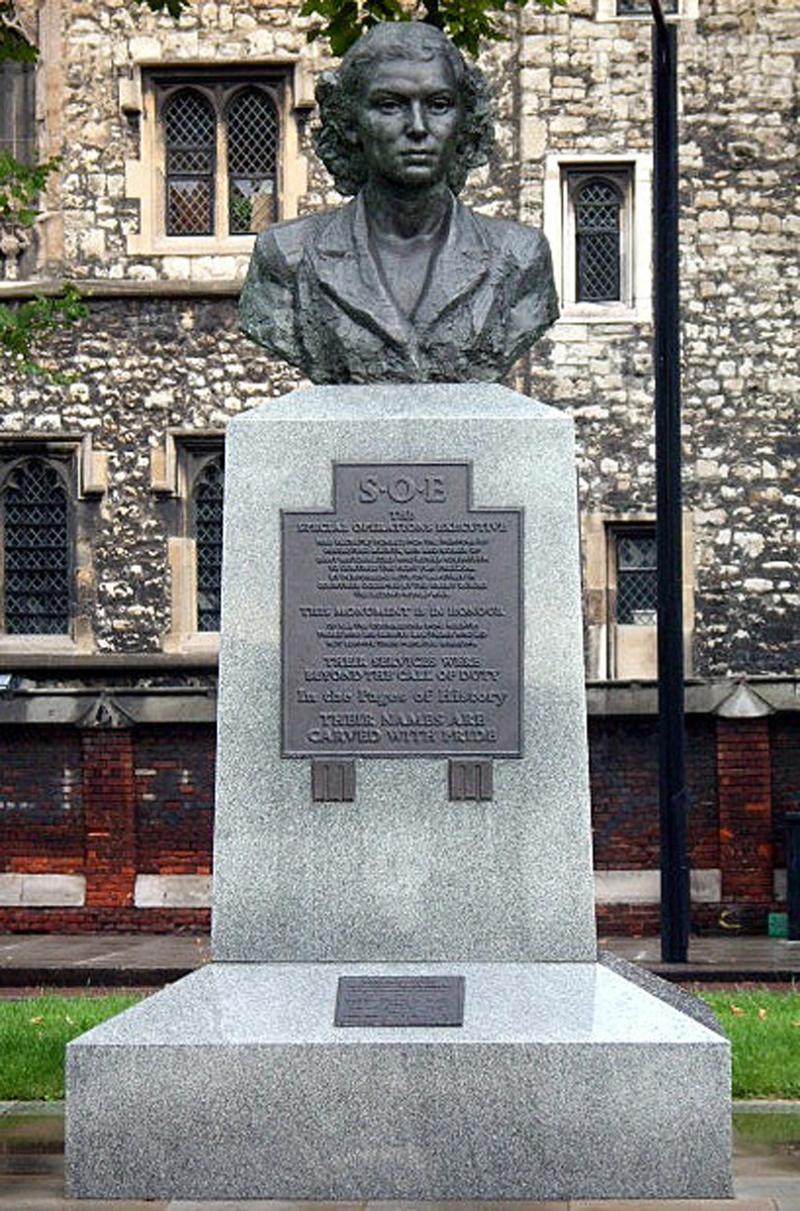
SOE Agent, Violette Szabo, George Cross.
Violette Bushell was born in Paris, France, in 1921, before her family moved to England. At the outbreak of World War II, she joined the Women's Land Army and the Auxiliary Territorial Service, where she met Étienne Szabo, a Free French corps soldier. They were married and she bore him a daughter, Tanis, in 1942. That same year Étienne was killed in action at the battle of El-Alamein.
It was this event that led her to join the Special Operations Executive intelligence agency, which, at the time, had its headquarters on Baker Street.
Violette was considered a valuable asset, by the S.O.E., due to her fluency in French and, after undergoing extensive training in how to conduct espionage and reconnaissance missions, explosives, weapons, guerilla warfare and sabotage skills, she entered occupied France, in 1944.
Her first mission was a failure as the Gestapo captured and interrogated a British spy who revealed sensitive information. Violette and her team fled France in an RAF aeroplane, that was nearly shot down twice by German anti-aircraft guns, but successfully made it back to England.
Two months later and Violette was back in France, acting as a liaison with French-resistance partisans and to lead operations to sabotage communication lines, in an effort to delay a German military response to the upcoming D-Day landings. However, the S.O.E. had greatly overestimated the partisans capability, so Violette was ordered south to another resistance unit.
Unfortunately, this other resistance unit were unaware that an SS unit were close by and, as they had a predilection for using vehicles, easily aroused suspicion.
At a roadblock they realised they were trapped and leapt from the car, fleeing across fields. Violette twisted her ankle and took up protection behind an apple tree, from where she used her submachine gun to pin down the German soldiers while her colleagues escaped. She managed to hold off the Germans for thirty minutes, before she ran out of her ammunition. In that time she killed a Corporal and several soldiers.
Before she could take her cyanide pill she was captured and taken to the SS for interrogation.
During her four day interrogation she was subjected to horrific torture and sexual violence before she was sent Ravensbrück concentration camp, by train.
With other resistance fighters Violette made plans to organise an escape from the camp. On February 5, 1945 these plans were discovered, resulting in her being taken to a place of execution, and shot to death. She was 23.
The George Cross was posthumously bestowed on Violette Szabo, by King George VI, on December 17, 1946.
Overall, the casualty rate for SOE agents in certain sectors was very high—estimated at around 28% for all SOE agents between 1940 and 1945—compared to a 3.5% death rate for British military personnel overall. Of the roughly 41 female F Section agents sent to France alone, 16 did not survive, around 40%, with 12 executed in concentration camps.
Code: 26149
2950.00 GBP