
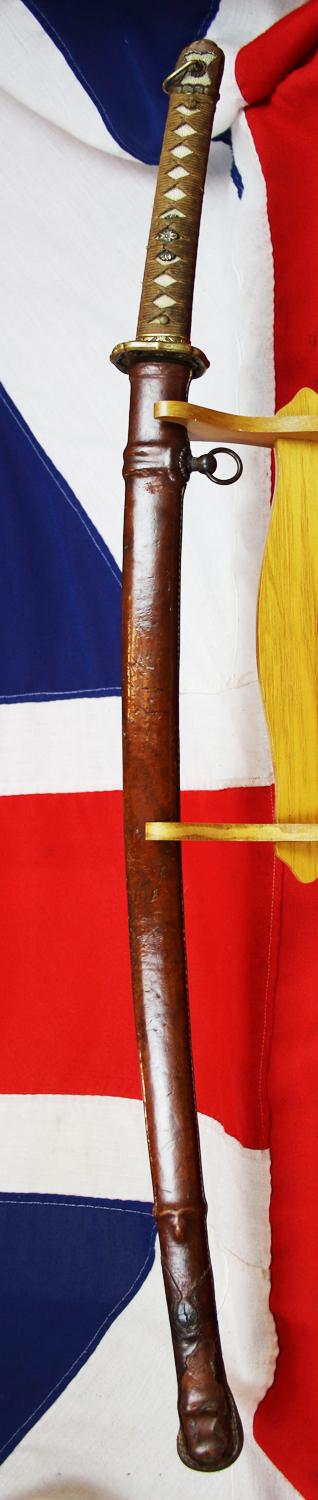


A Superb & Beautiful Historical WW2 Japanese Officer's Shingunto Sword In Near Mint Condition Signed Ishihara Kanetada. One Would Try In Vain To Ever Find A Better, Regulation Pattern, Early Type 94 With Pierced Tsuba, Japanese WW2 Sword Anywhere
Try not to hesitate, the WW2 Japanese Naval sword, a Kaigunto sword, that we added only yesterday afternoon sold within a few hours {as we suggested it would within its text} and it is likely this historical beauty will go quickly too, bearing in mind its near mint condition and very keen price.
Surrendered at the close of the WW2 Pacific War in 1945.
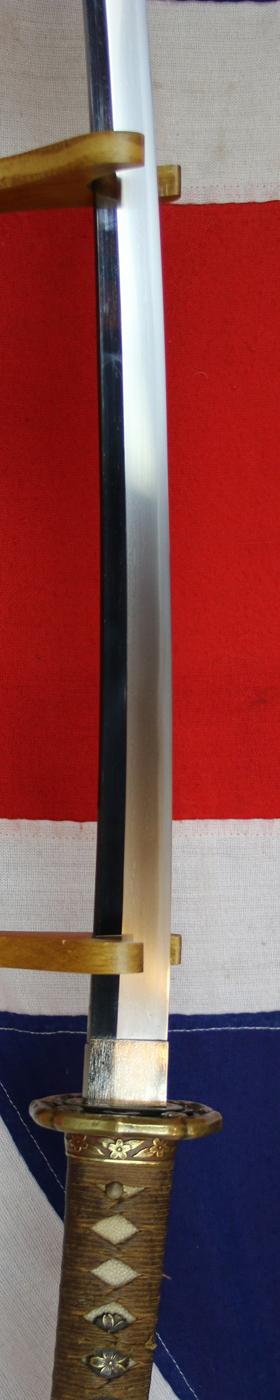
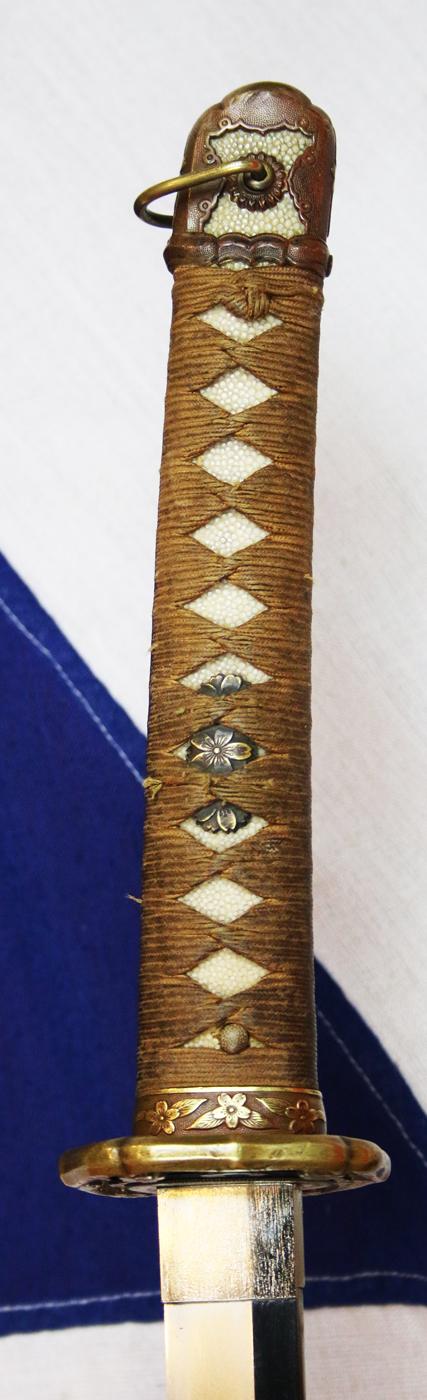
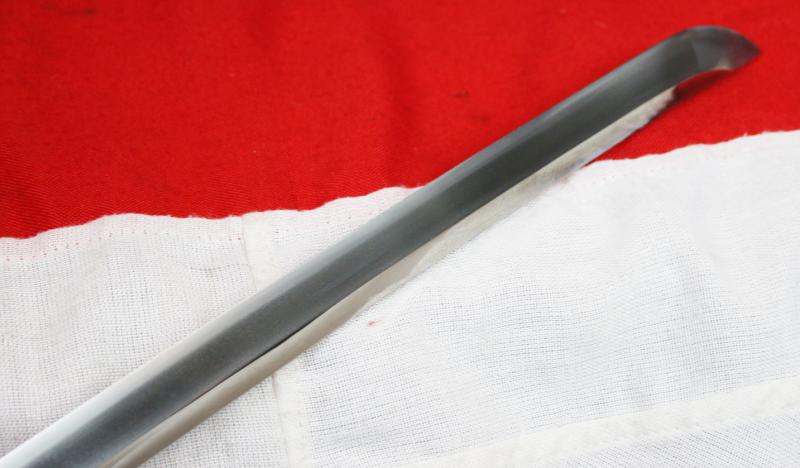
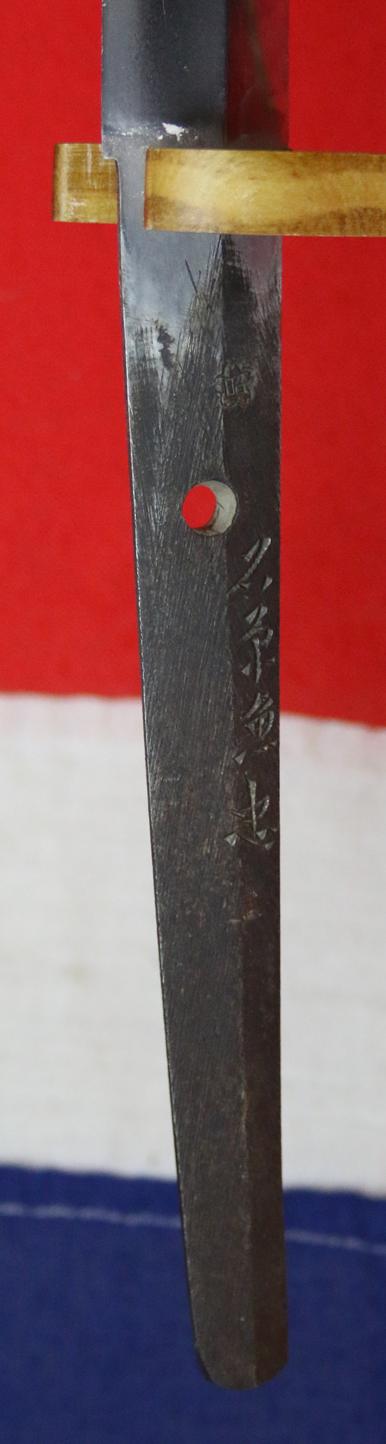
Shinogi-zukuri shaped blade with all its original koshirae mounts and fittings in near mint condition. The blade is very nicely signed, Ichihara Kanetada,, accompanied with traditional Showa stamp of the Living God Emperor Hirohito. As good as any original selected example on display in the Imperial War Museum. Kanetada was an arsenal sword smith in Seki Gifu prefecture, made swords during the WW2
The blade is in around 99% plus overall excellent polish. It has a jolly good traditional suguha hamon
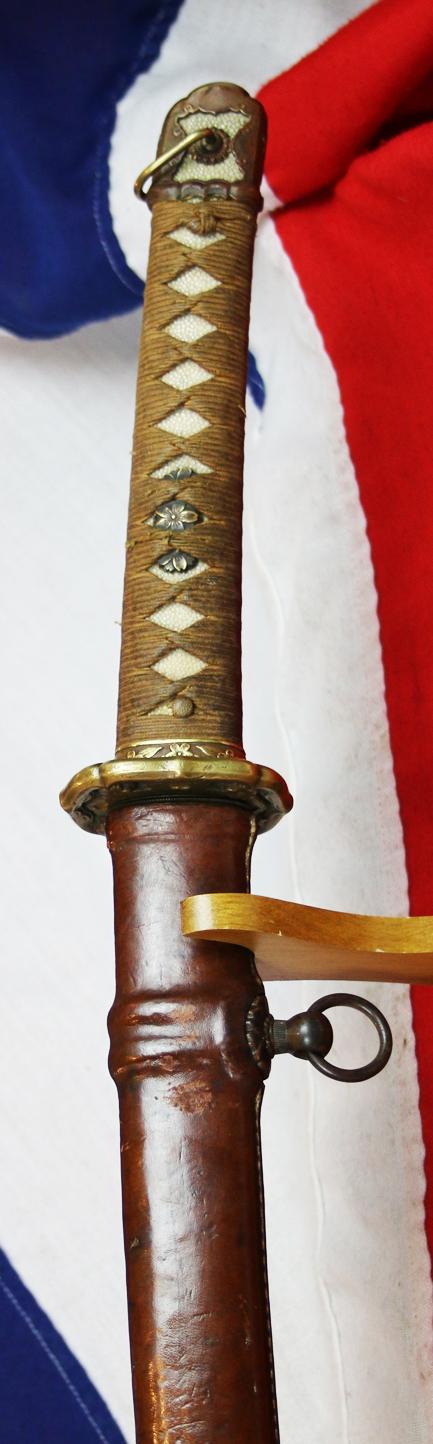
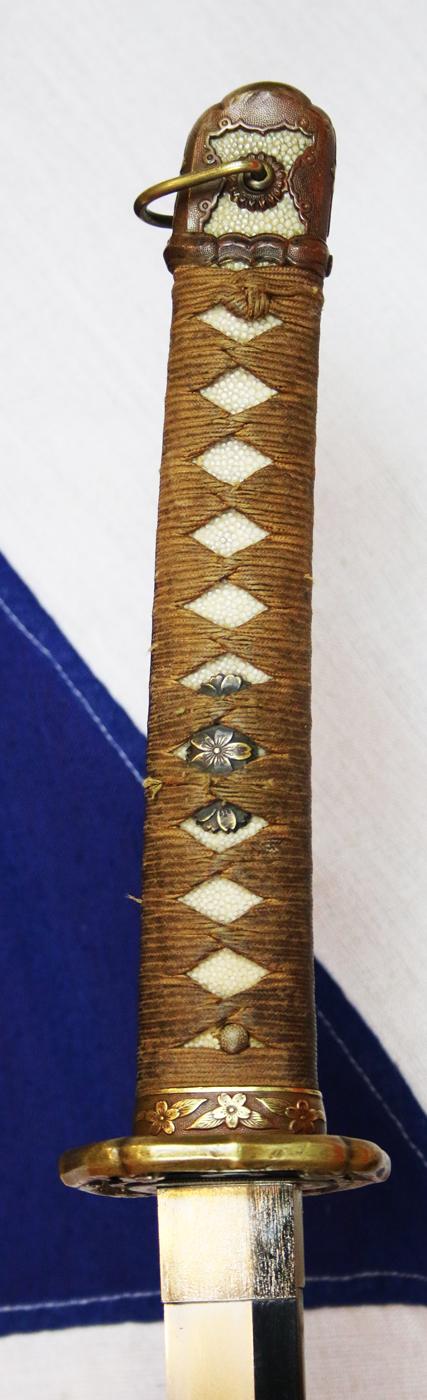
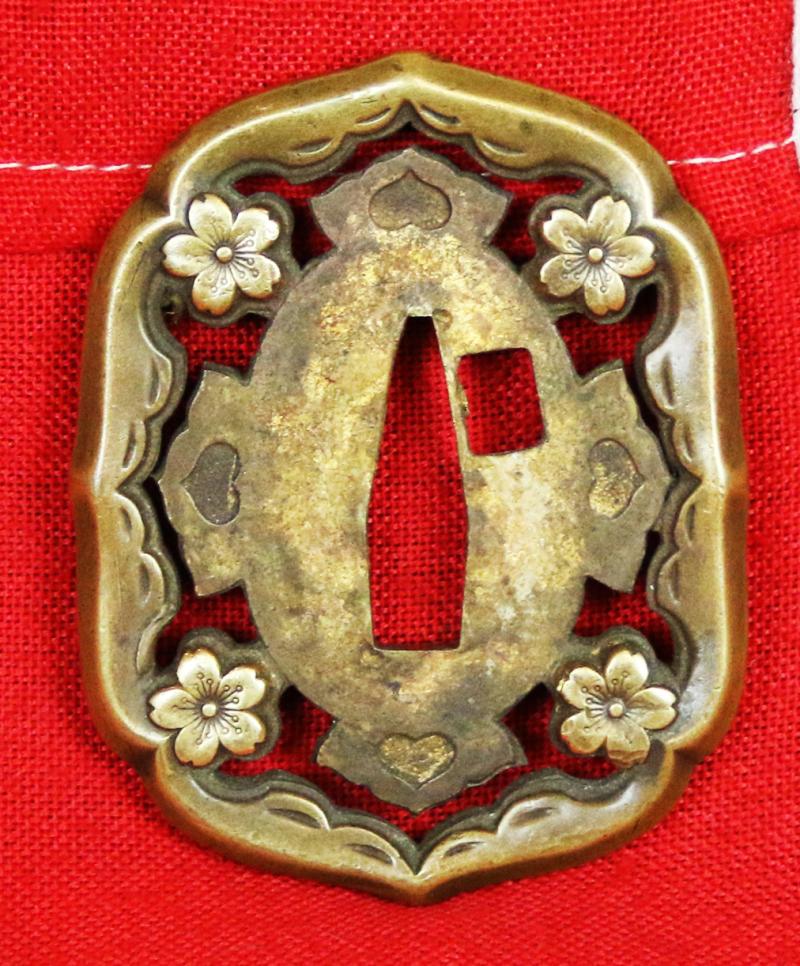
All the mounts, tsuba, seppa etc are very good indeed, as it the original field service combat leather cover on the saya.
The Shin guntō (new military sword)
The shin guntō (新軍刀, new military sword) was a weapon and symbol of rank used by the Imperial Japanese Army between the years of 1935 and 1945. .
In response to rising nationalism within the armed forces, a new style of sword was designed for the Japanese military in 1934. The shin guntō was styled after a traditional slung tachi of the Kamakura Period (1185–1332). Officers' ranks were indicated by coloured tassels tied to a loop at the end of the hilt. The corresponding colours were brown-red and gold for generals; brown and red for field officers; brown and blue for company or warrant officers; brown for sergeants, sergeants major or corporals. The blades found in shin guntō ranged from modern machine-made blades through contemporary traditionally-manufactured blades to ancestral blades dating back hundreds of years.
The Type 94 shin guntō (九四式軍刀, kyūyon-shiki guntō) officers' sword replaced the Western style kyu gunto in 1934. It had a traditionally constructed hilt (tsuka) with ray skin (same) wrapped with traditional silk wrapping (ito). A cherry blossom (a symbol of the Imperial Japanese Army) theme was incorporated into the guard (tsuba), pommels (fuchi and kashira), and ornaments (menuki).
The scabbard for the Type 94 was made of metal with a wood lining to protect the blade. It was often painted green/brown and was suspended from two brass mounts {ashi}, one of which was removable and only used when in full dress uniform. The later type 98 fittings, improved the design a little and disposed of the fitting and use of the second ashi altogether, and used a solid tsuba instead of pierced The fittings on the scabbard were also decorated with traditional cherry blossom designs. The better quality earlier examples are beautifully crafted, as is this one.
It has been over one thousand years ago that the art of making swords appeared in Japan. The swordsmiths of the time may not have known it but they were creating a legendary sword. The Samurai sword has seen combat in many battlefields. From the early days of the Samurai warrior to the fierce battles in the South Pacific during WWII.
Each hand-made traditional Samurai sword was unique because it was forged using the finest skills known to man. A tremendous amount of work was dedicated to creating these pieces. They were an instrument of war as much as a beautiful artifact to adorn any decor.
The Samurai sword, from all eras, in all its forms, has grown to be one of the most highly desired and iconic military antiques of all time.
There are many reasons why people enjoy collecting swords. Some people are drawn to the beauty and craftsmanship of swords, while others appreciate their historical and cultural significance. Swords can also be a symbol of power and strength, and some collectors find enjoyment in the challenge of acquiring rare or valuable swords.
One of the greatest joys of sword collecting is the opportunity to learn about the history and culture of different civilisations. Swords have been used by warriors for millennia, and each culture has developed its own unique sword designs and traditions. By studying swords, collectors can gain a deeper understanding of the people who made and used them.
Another joy of sword collecting is the sheer variety of swords that are available. There are swords in our gallery from all over the world and from every period of history. Collectors can choose to specialize in a particular type of sword, such as Japanese katanas or medieval longswords, or they can collect a variety of swords from different cultures and time periods. No matter what your reasons for collecting swords, it is a hobby that can provide many years of enjoyment. Swords are beautiful, fascinating, and historically significant objects.
Every item is accompanied with our unique, Certificate of Authenticity. Of course any certificate of authenticity, given by even the best specialist dealers, in any field, all around the world, is simply a piece of paper,…however, ours is backed up with the fact we are the largest dealers of our kind in the world, with over 100 years and four generation’s of professional trading experience behind us.
Code: 26114
1850.00 GBP