
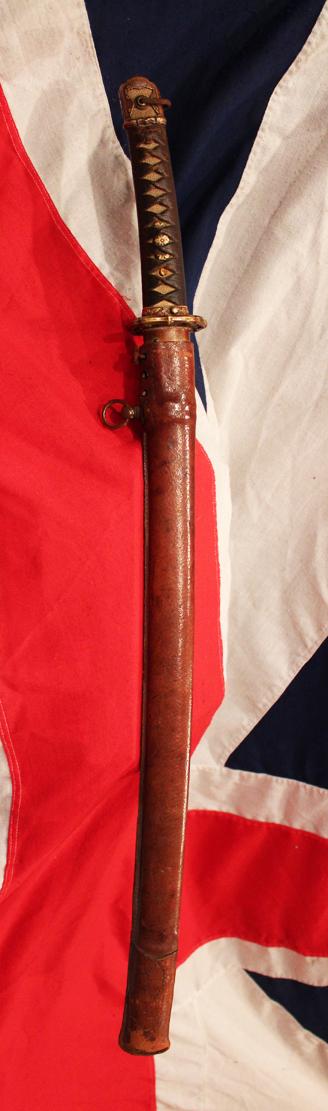
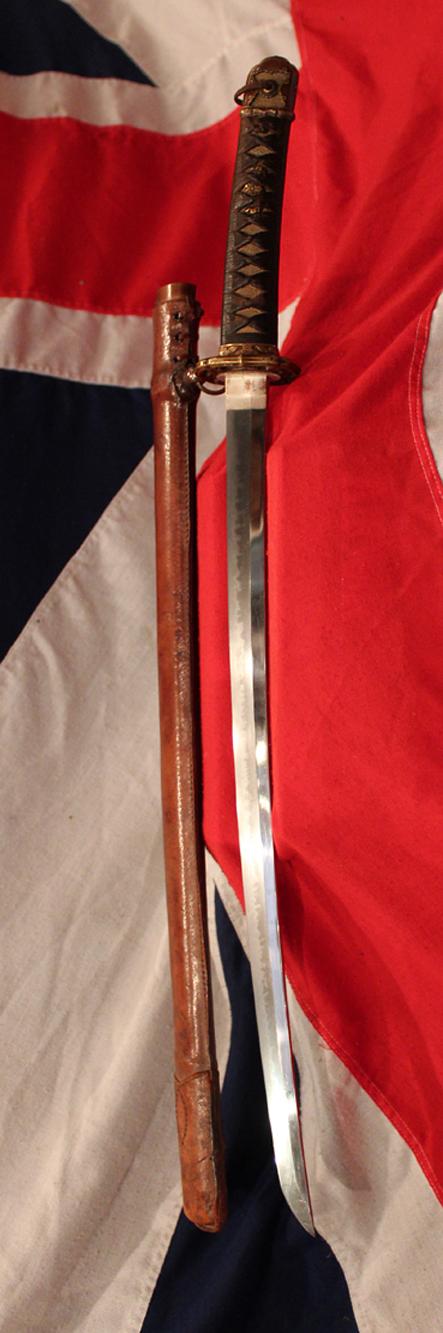
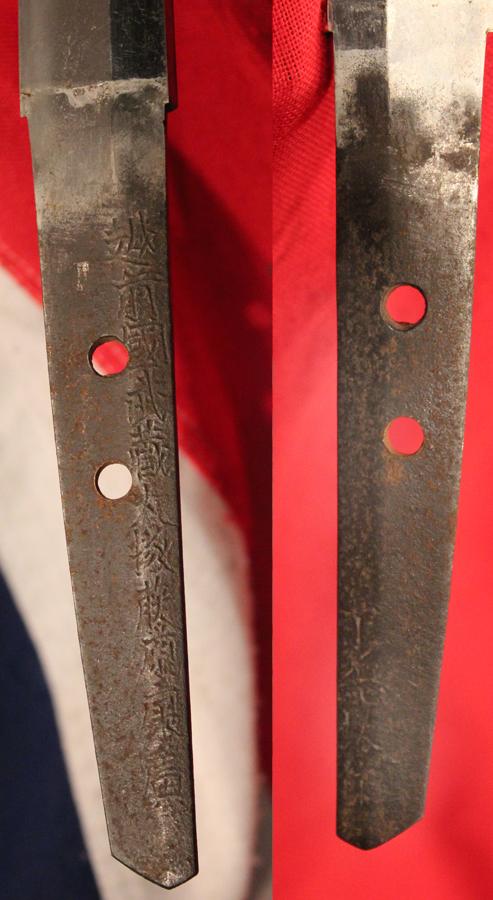
Absolutely Superb & Rare Japanese Fujiwara Ancestral Clan, Blade Signed Echizen Kuni Musashi Daijo Fujiwara Yasuhiro 肥前国武蔵大掾藤原康広 WW2 Pilot's Sword. Used By The Pilot's Samurai Ancestors in The 1600's Last Used In WW2
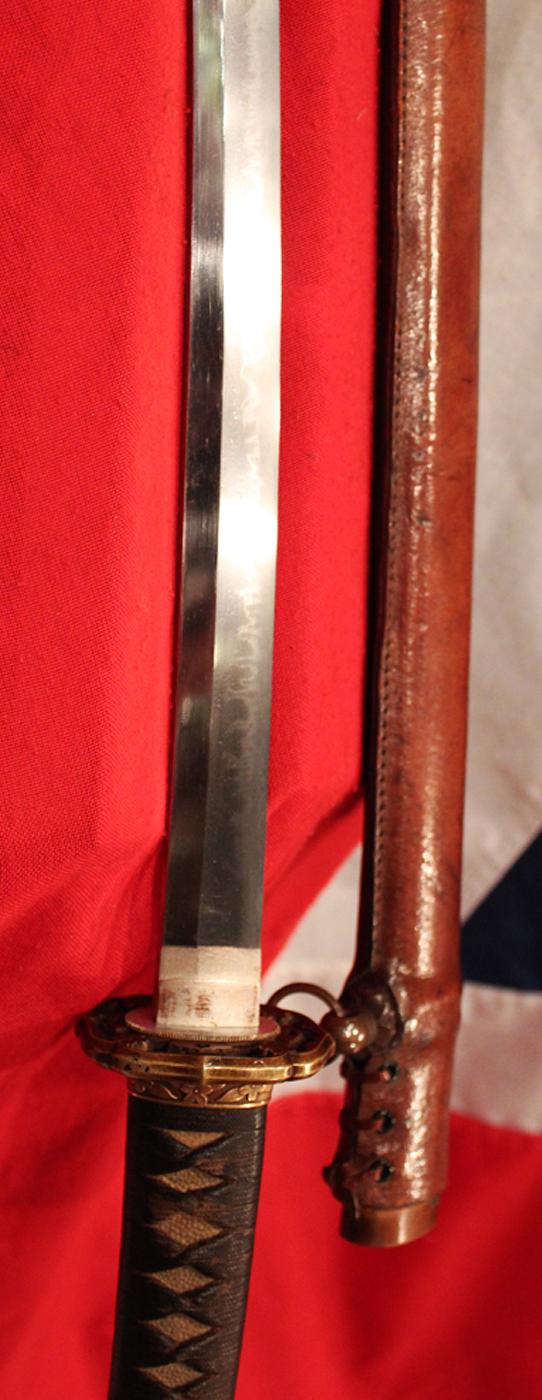
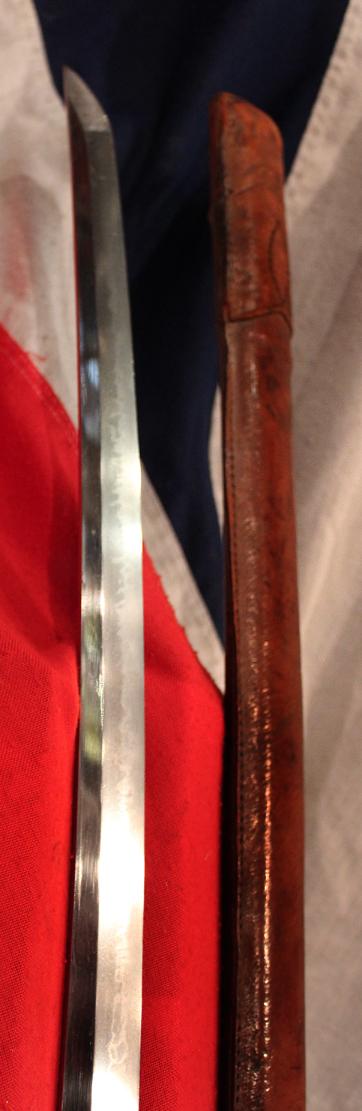
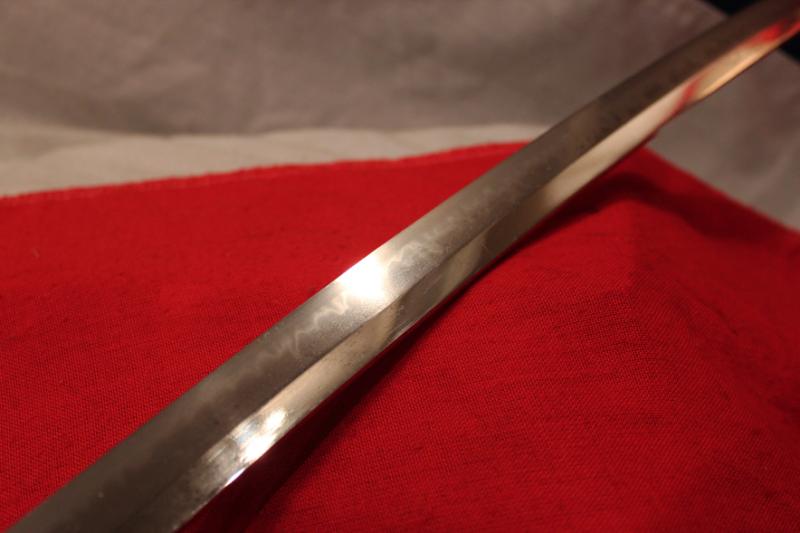
A short Crew Gunto mounted sword, with an early Shinto period signed ancestral blade by Echizen kuni Musashi Daijo fujiwara Yasuhiro, c 1660, of the Fujiwara clan, in full and beautiful Edo polish, showing a simply fabulous hamon. The first, and likely subsequent samurai, that carried this blade in combat would likely be a warrior serving the Nabeshima Clan, who were the successors of the Fujiwara clan.
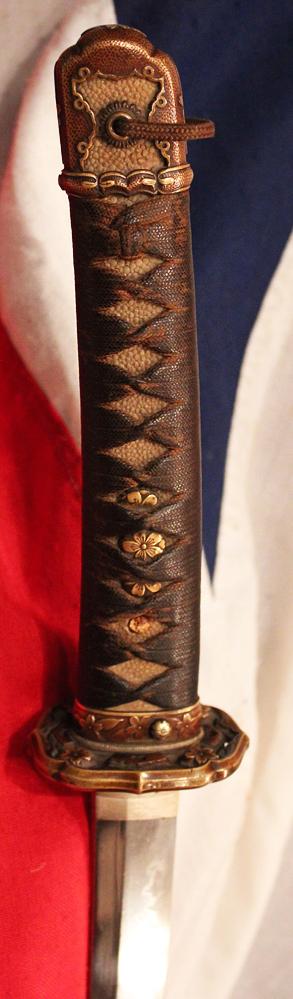
The whole historical sword is simply in wonderful condition for it's age. The blade is set with it's late Edo period two piece silvered habaki {blade collar} all it's traditional WW2 Showa brass fittings, and a fine 1936 pattern pierced gunto tsuba.
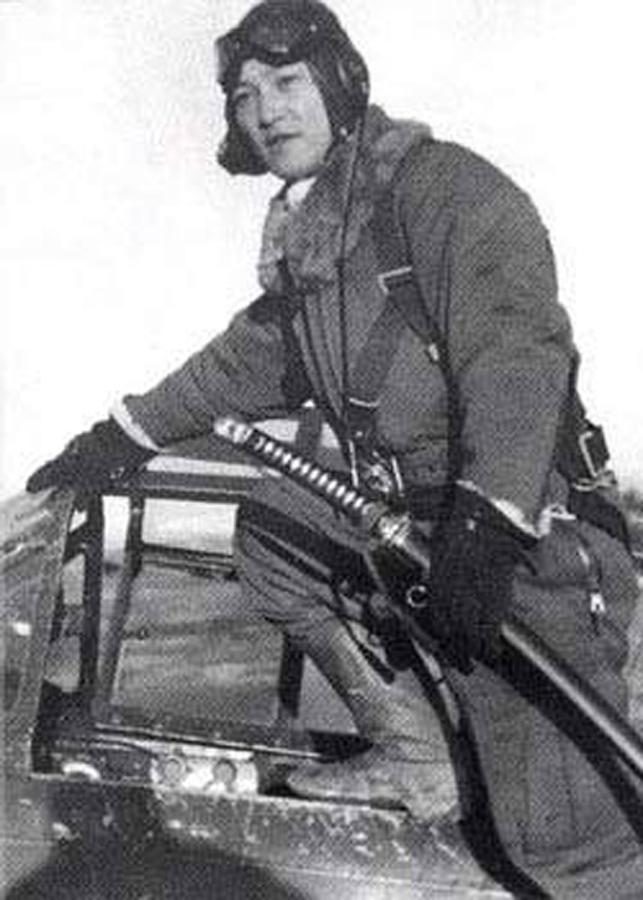
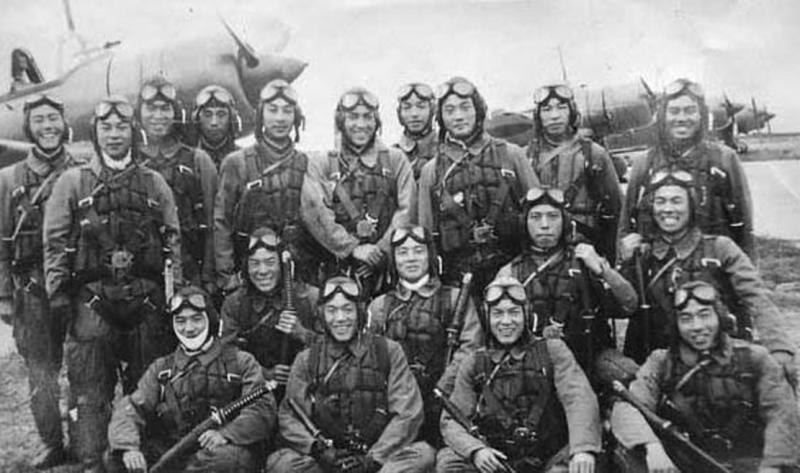
It is known as a crew-gunto and carried by a Japanese fighter pilot from 1936 until 1945. The short leather covered wooden saya has it's original leather combat cover. The shorter military mounted sword was made during WW2 for those that fought, during combat, in a small and restricted area that was most unsuitable for the standard long sword, such as the Zero fighter plane.
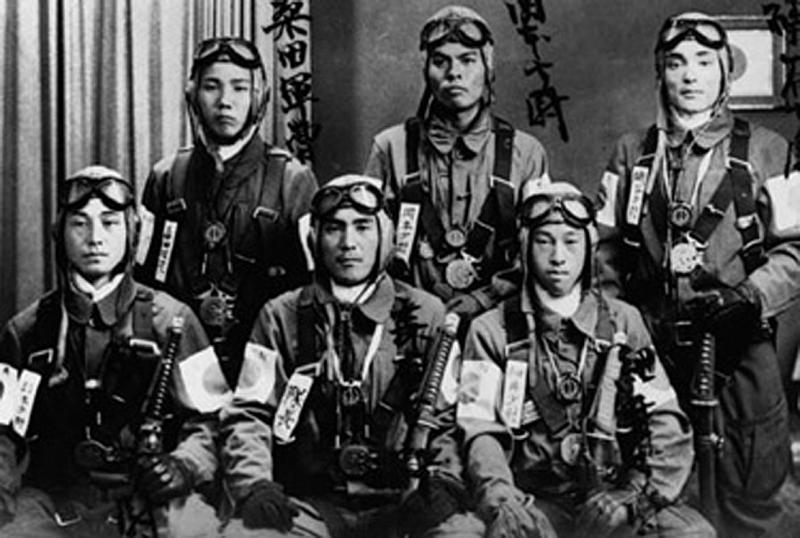
Photo in the gallery shows a Kamikaze pilot being issued his Kaiten in a ritual ceremony, please note on his belt he is wearing his 'Aircrew' Short Gunto sword, another photo shows a pilot captain of Special-Attack Party Hakkō-Second Party Ichiu-Unit, holding his short crew gunto, that he carried in his plane when on combat missions. for information only photos not included. Collectors frequently seek Shin Gunto swords that have an original handed down 'Ancestral samurai' blade, as it is said less than one in a hundred Japanese swords, surrendered in WW2, were swords such as this. This form of sword was often the prerogative of an eldest born son, that went to fight for his Emperor in WW2, with his ancestor's blade set in traditional military mounts. This sword is an exceptional piece of WW2 Japanese historical interest, very early ancestral swords are scarce in themselves, outnumbered at least 20 to 1 by gendaito swords, but the short 'crew gunto' are much rarer than even that, in our experience, so this makes it potentially, in theory, well over a 100 to 200 times scarcer than a regular Japanese WW2 officers sword in our opinion. Apart from information on it's 1945 source, sadly, we do not know the name of it's WW2 officer owner that document was lost.
Hizen Yasuhiro school, who often used titles like Musashi Daijo or Ise Daijo.
Hizen Province (modern-day Saga Prefecture), which was renowned for its high-quality steel (naminokuni).
While several Yasuhiro smiths worked in this school, they often worked under the patronage of the Nabeshima clan, similar to the famous Hizen Tadayoshi school.
Hizen swords from this period are characterized by very fine ko-nie (fine glittering particles) in the hada (forging pattern) and high-quality, sharp cutting edges.
Echizen kuni (肥前国): Hizen Province.
Musashi Daijo (武蔵大掾): An honourary title awarded to the smith for the consistant high quality of his craftmanship.
Fujiwara (藤原): The family clan name.
Yasuhiro (康広): The smith's name.
The Nabeshima clan was a cadet branch of the Shoni clan and was descended from the Fujiwara clan. In the late 12th century, Fujiwara no Sukeyori, a descendant of Fujiwara no Hidesato in the 9th generation, received the title of Dazai Shoni (equivalent to that of vice-governor of the military government of Kyushu) from Shogun Minamoto no Yoritomo, and the title became the family name.
The clan played an important role in the region as early as the Muromachi period, when it helped suppress opposition to the Ashikaga shogunate's control of Kyushu. It did not take the name Nabeshima, however, until the late 15th century, when Shoni Shigenao established himself at Nabeshima in Hizen province (today part of Saga City, Saga prefecture). Later, in the Sengoku period (1467-1603), the Nabeshima were one of a number of clans which clashed over the island. The Nabeshima sided with the Ryuzoji clan against the Otomo clan, though this ultimately ended in failure and the death of Ryuzoji Takanobu at the 1584 battle of Okita Nawate. Several years later, however, the Nabeshima recovered power and prominence by aiding Toyotomi Hideyoshi in his 1587 invasion of Kyushu; Nabeshima Naoshige was granted the region of Saga as his fief, as a reward for his efforts. Naoshige also contributed to Hideyoshi's invasions of Korea in the 1590s.
The clan initially aided Ishida Mitsunari against Tokugawa Ieyasu in the Sekigahara Campaign in 1600. However, they switched sides to support the Tokugawa, who were ultimately victorious, before the campaign had ended, battling and occupying the forces of Tachibana Muneshige, who was thus prevented from contributing directly to the battle of Sekigahara. Though regarded as tozama daimyo ("outside" lords), and assigned particularly heavy corvee duties, the Nabeshima were allowed to keep their territory in Saga, and in fact had their kokudaka increased. The clan's forces served the new Tokugawa shogunate loyally in the years which followed; they remained in Kyushu during the 1615 Osaka Campaign as a check against a possible rebellion or uprising by the Shimazu clan, and aided in the suppression of the Shimabara Rebellion of 1637. In recognition of their service, members of the clan were granted the prestigious family honourific name of Matsudaira in 1648, Matsudaira being the original Tokugawa family name, the ruling Shogun of Japan for almost 300 years.
Taken by British commando at Ramree Island Airfield (January–February 1945)
Captured via an amphibious landing by the XV Indian Corps, including British Commandos.
Once the island was cleared, Allies built a major airfield infrastructure that could host transport aircraft to sustain the final Allied push to liberate Burma
Overall 34 inches long in saya, 21.75 inch blade.
Code: 26113
3850.00 GBP