
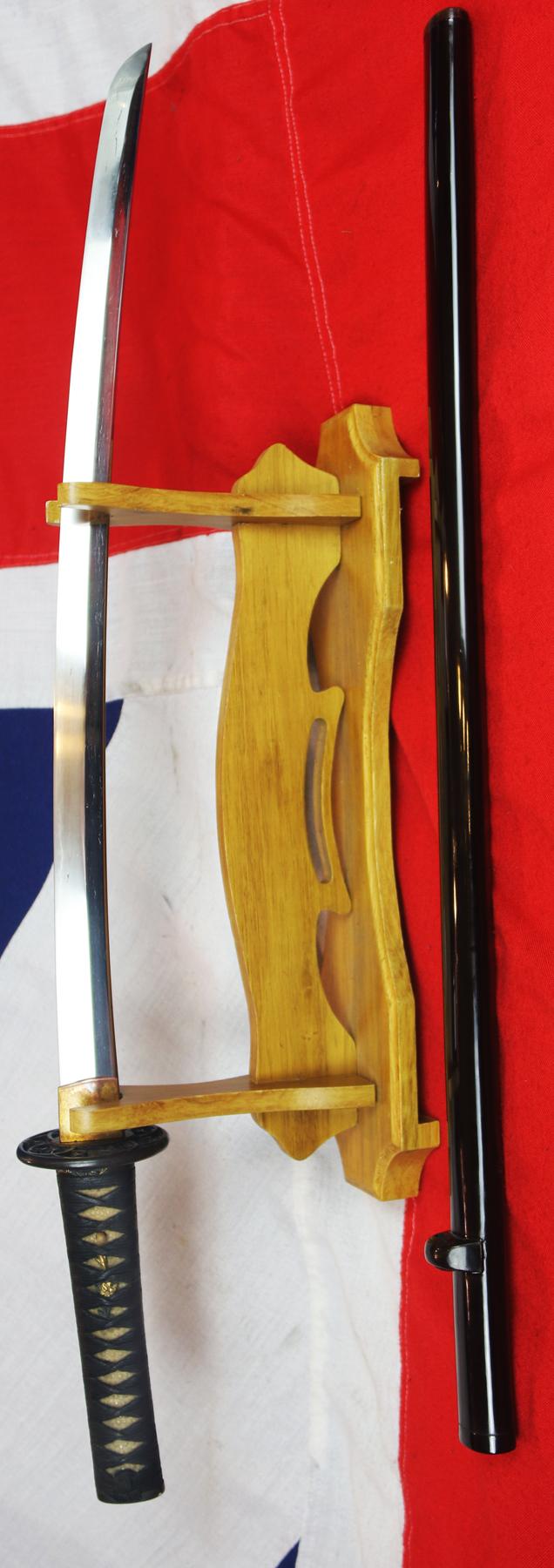
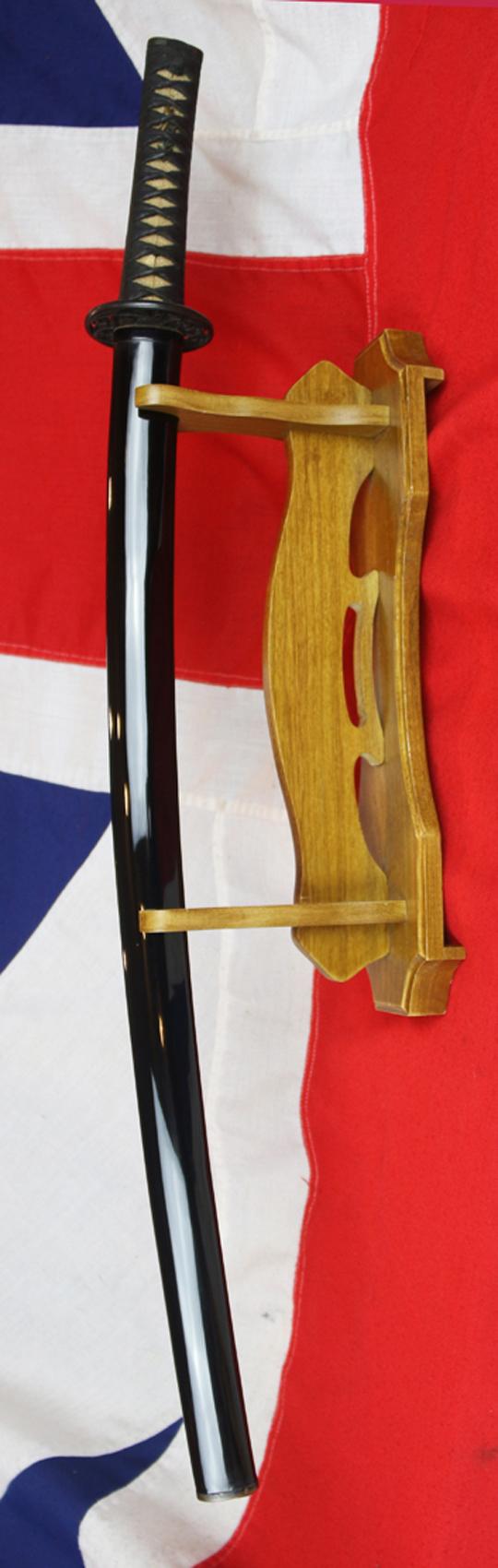


A Beautiful Koto Period Samurai Chisa Katana, Around 500 Years Old With All Original Edo Period Fine Quality fittings
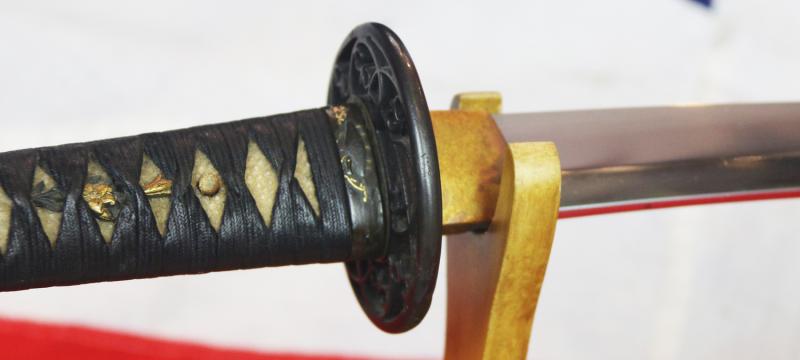
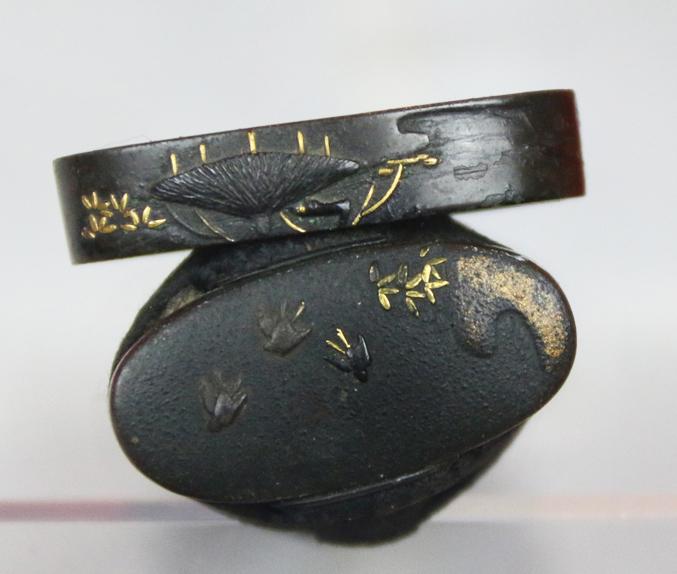
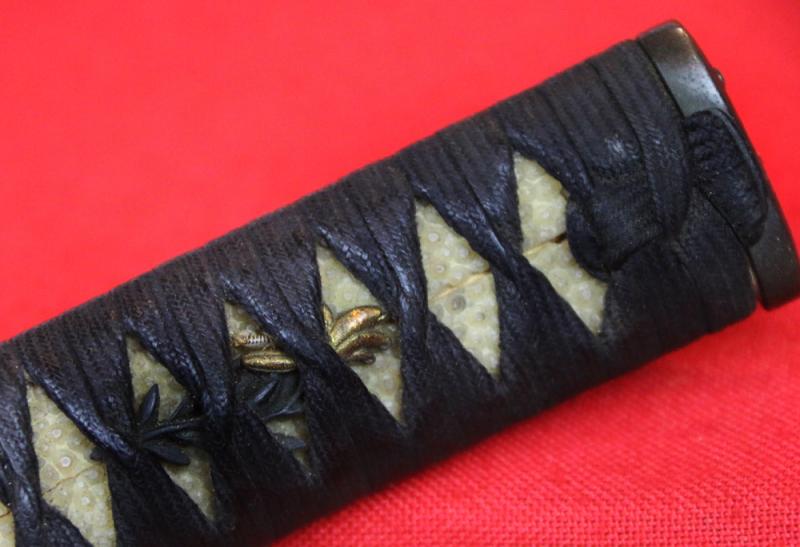
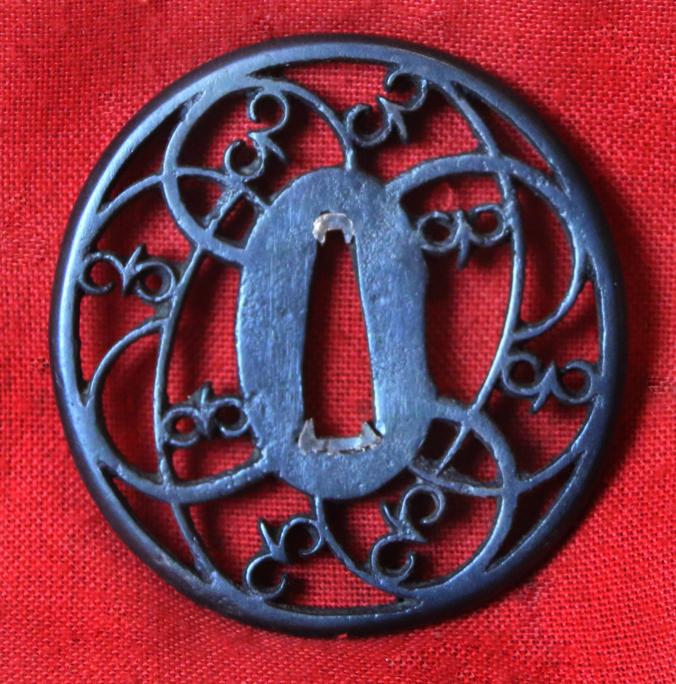
Most handsome original Koto period samurai sword with fine quality original matching Edo period fuchigashira and menuki with gold decorated flowers and birds, beautiful, iron, shin no maru-gata tsuba 18th Century
Original Edo urushi lacquered saya in black
A katana was two shaku or longer in length (one shaku = about 11.93 inches). However, the Chisa katana is longer than the wakizashi, which was somewhere in between one and two shaku in length. The most common blade lengths for Chisa katana was approximately eighteen to twenty-four inches. They were most commonly made in the Buke-Zukuri mounting (which is generally what is seen on katana and wakizashi). The chisa katana was able to be used with one or even two hands like a katana. The Chisa Katana is a slightly shorter Katana highly suitable for two handed, or two sword combat, or, combat within enclosed areas such as castles or buildings. As such they were often the sword of choice for the personal Samurai guard of a Daimyo, and generally the only warriors permitted to be armed in his presence. Chisa katana, Chiisagatana or literally "short katana", are shoto mounted as katana.
The chisa katana was also the long sword of choice for the art of twin sword combat, using two at once in unison, a chisa katana and wakazashi, one in each hand, a form used by the great and legendary samurai Miyamoto Musashi who reportedly killed 60 men before his 30th birthday.
Miyamoto Musashi 1584 – June 13, 1645), also known as Shinmen Takezo, Miyamoto Bennosuke or, by his Buddhist name, Niten Doraku, was an expert Japanese swordsman and ronin. Musashi, as he was often simply known, became renowned through stories of his excellent, and unique double bladed swordsmanship and undefeated record in his 60 duels. He was the founder of the Hyoho Niten Ichi-ryu or Niten-ryu style of swordsmanship and in his final years authored the The Book of Five Rings, a book on strategy, tactics, and philosophy that is still studied today.
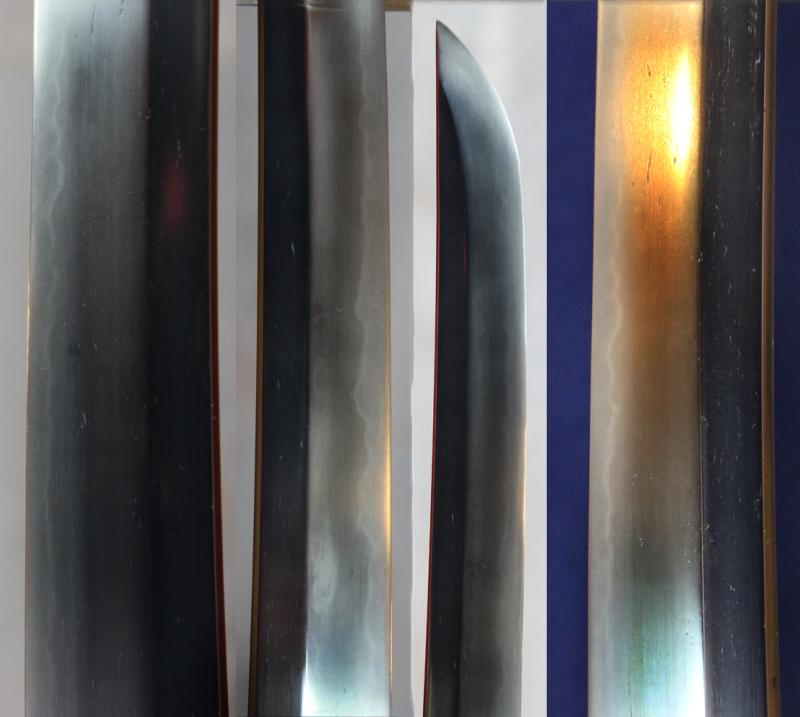
“In these textures lies an extraordinary and unique feature of the sword - the steel itself possesses an intrinsic beauty. The Japanese sword has been appreciated as an art object since its perfection some time during the tenth century AD. Fine swords have been more highly prized than lands or riches, those of superior quality being handed down from generation to generation. In fact, many well-documented swords, whose blades are signed by their makers, survive from nearly a thousand years ago. Recognizable features of the blades of hundreds of schools of sword-making have been punctiliously recorded, and the study of the sword is a guide to the flow of Japanese history.”
As once told to us by Victor Harris who, as an esteemed regular visitor to us here in our gallery, quoted the same words above, that are repeated in his book.
Victor Harris
Curator, Assistant Keeper and then Keeper (1998-2003) of the Department of Japanese Antiquities at the British Museum. He studied from 1968-71 under Sato Kenzan, Tokyo National Museum and Society for the Preservation of Japanese Swords
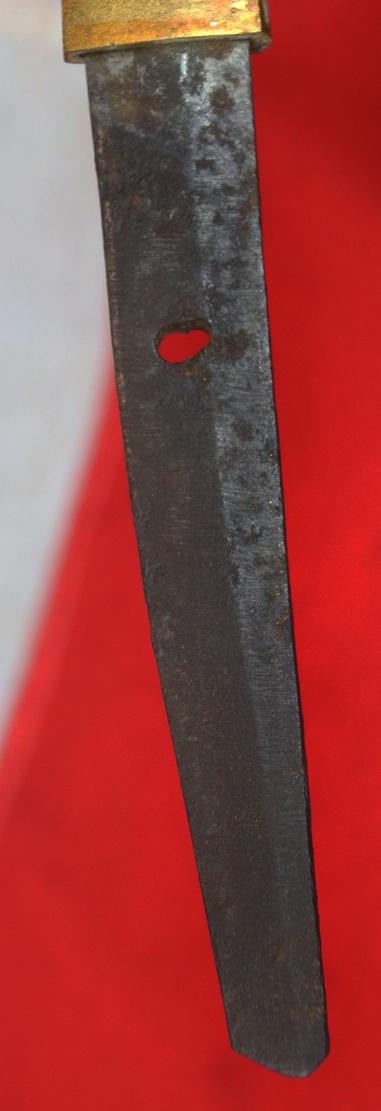
21 inch blade tsuba to tip. 32 inches long overall
Every single item from The Lanes Armoury is accompanied by our unique Certificate of Authenticity. Part of our continued dedication to maintain the standards forged by us over the past 100 years of our family’s trading, as Britain’s oldest established, and favourite, armoury and gallery
Code: 24954
4995.00 GBP